By Interestana AI Editorial — AI-drafted, human-overseen. How we report
Artificial Sweeteners Linked to Faster Cognitive Decline
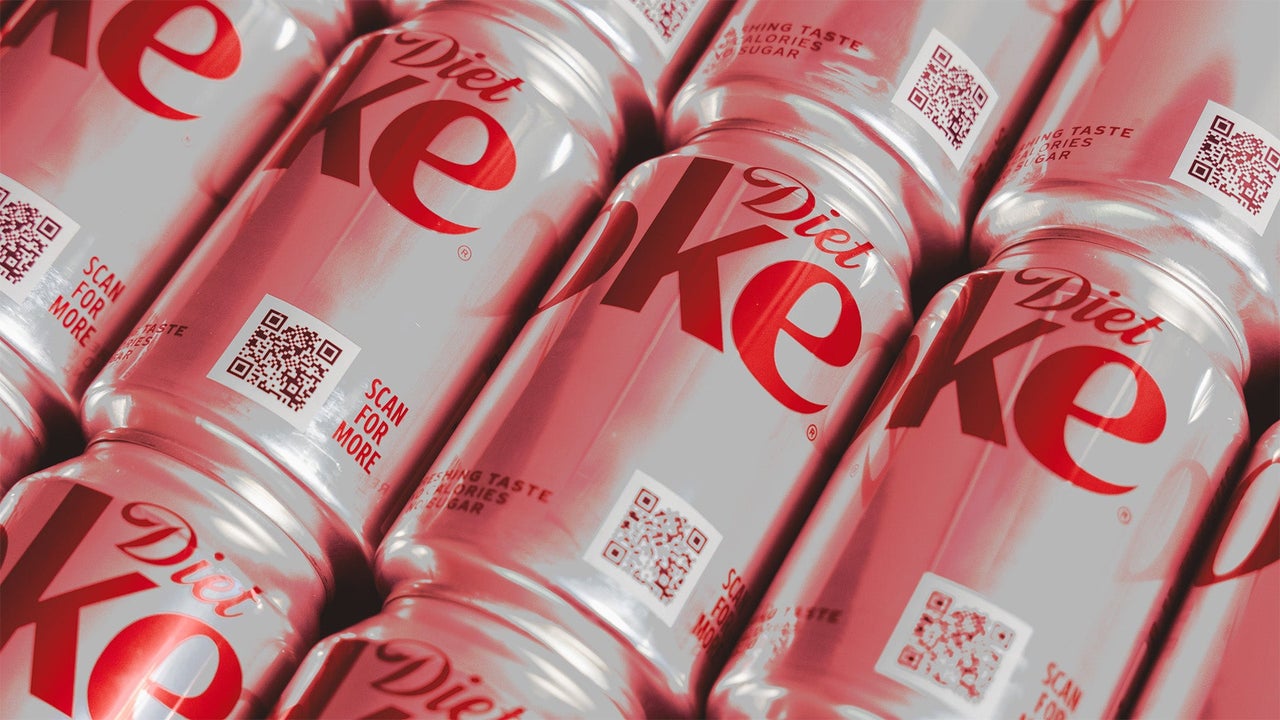
An eight-year study involving over 12,700 adults has established a link between the daily consumption of artificial sweeteners and a significantly faster rate of cognitive decline. Published in the medical journal Neurology, the research indicated that adults ingesting the amount of artificial sweetener typically found in a single can of diet soda experienced cognitive decline at a rate 62 percent faster than those consuming only a fraction of that quantity. The participants, with an average age of 52, were monitored for their intake of seven common low- and no-calorie sweeteners: aspartame, saccharin, acesulfame K, erythritol, xylitol, sorbitol, and tagatose. These sweeteners are frequently present in diet beverages, flavored waters, yogurts, and ultra-processed food items such as breakfast cereals and packaged snacks. Individuals who consumed the highest amounts of these sweeteners averaged 191 milligrams per day, in stark contrast to the 20 milligrams consumed daily by the group with the lowest intake. The research team quantified the accelerated cognitive decline in the high-intake group as being equivalent to approximately 1.6 years of additional brain aging. Six of the seven sugar substitutes examined were associated with a more rapid decline in cognitive function, with memory loss being a prominent symptom. Tagatose was the only sweetener that did not show this association. Dr. Claudia Kimie Suemoto, MD, PhD, from the University of São Paulo in Brazil and the study's author, commented that while low- and no-calorie sweeteners are often perceived as a healthier alternative to sugar, these findings suggest potential negative impacts on brain health over extended periods. The study further highlighted that the observed link was particularly pronounced in adults under the age of 60 and individuals diagnosed with diabetes. However, the researchers emphasized that these findings are not conclusive and do not prove a direct causal relationship between sweetener consumption and cognitive decline, stating that the results reveal an association and that other contributing factors could be at play. These findings from Brazil emerge concurrently with a recent study from the University of Cambridge, which has raised further questions regarding the interaction between artificial sweeteners and the gut microbiome, the complex ecosystem of bacteria and other microorganisms residing in the digestive system. Laboratory tests conducted by the Cambridge researchers are exploring these interactions in more detail.
Original source — read the full reporting at the publisher:
Read on Fast CompanyGet the weekly AI digest
AI news + new model releases, weekly. Drafted by our agents, reviewed by humans.