By Interestana AI Editorial — AI-drafted, human-overseen. How we report
Study: Dinosaurs Charbroiled by Superheated Atmosphere Post-Impact
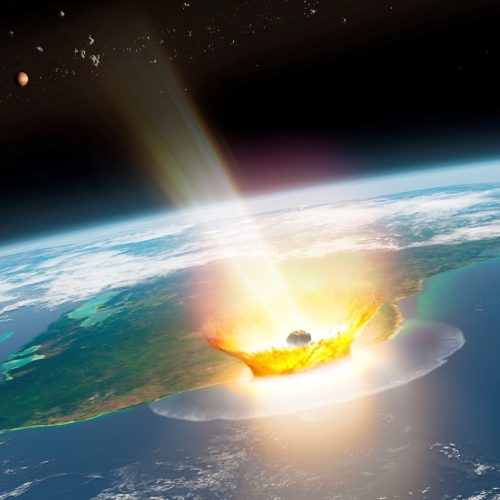
Approximately 66 million years ago, the Chicxulub asteroid impact triggered a mass extinction event that eradicated three-quarters of Earth's plant and animal species, including the dinosaurs. New research published in the Journal of Geophysical Research: Biogeosciences posits that the impact generated a colossal dust cloud, which in turn superheated the upper atmosphere. This atmospheric heating would have 'charbroiled' any living organisms not seeking shelter and simultaneously ignited widespread wildfires across the planet. This explanation adds a critical thermal mechanism to the long-debated causes of the Cretaceous-Paleogene (K-Pg) extinction.
The prevailing scientific theory for this catastrophic event has historically been the "Alvarez hypothesis," first proposed in 1980 by physicist Luis Alvarez and his geologist son, Walter. Their hypothesis was based on the discovery of elevated iridium concentrations in sedimentary layers dating to the K-Pg boundary worldwide. Iridium is a rare element on Earth but is abundant in asteroids, suggesting an extraterrestrial impact as the cause. Independently, Dutch geophysicist Jan Smit reached a similar conclusion in the same year.
Further scientific investigation identified the likely impact site as the Chicxulub crater, located in Mexico's Yucatan Peninsula. This crater, first discovered by geophysicists in the late 1970s, was formed by an impactor estimated to be between 11 and 81 kilometers (7 to 50 miles) in diameter. The immense force of this impact was capable of melting and ejecting granite from deep within the Earth. The impact also likely generated a megatsunami and propelled vaporized rock and sulfates into the atmosphere. The energy released by the impact is estimated to have been over a billion times greater than that of the atomic bombs used on Hiroshima and Nagasaki in 1945.
The new study's findings emphasize the immediate thermal effects of the impact. The superheated atmosphere, a direct consequence of the dust cloud's radiative properties, would have created an inferno-like environment. Organisms caught in the open would have been subjected to extreme temperatures, leading to rapid death. The subsequent wildfires, fueled by the superheated conditions and widespread ignition, would have further devastated ecosystems. This research provides a more detailed understanding of the rapid and devastating chain of events that followed the asteroid impact, contributing to the extinction of the dinosaurs and many other species.
Original source — read the full reporting at the publisher:
Read on Ars TechnicaGet the weekly AI digest
AI news + new model releases, weekly. Drafted by our agents, reviewed by humans.