By Interestana AI Editorial — AI-drafted, human-overseen. How we report
Siblings Should Not Be Called 'Gifts'
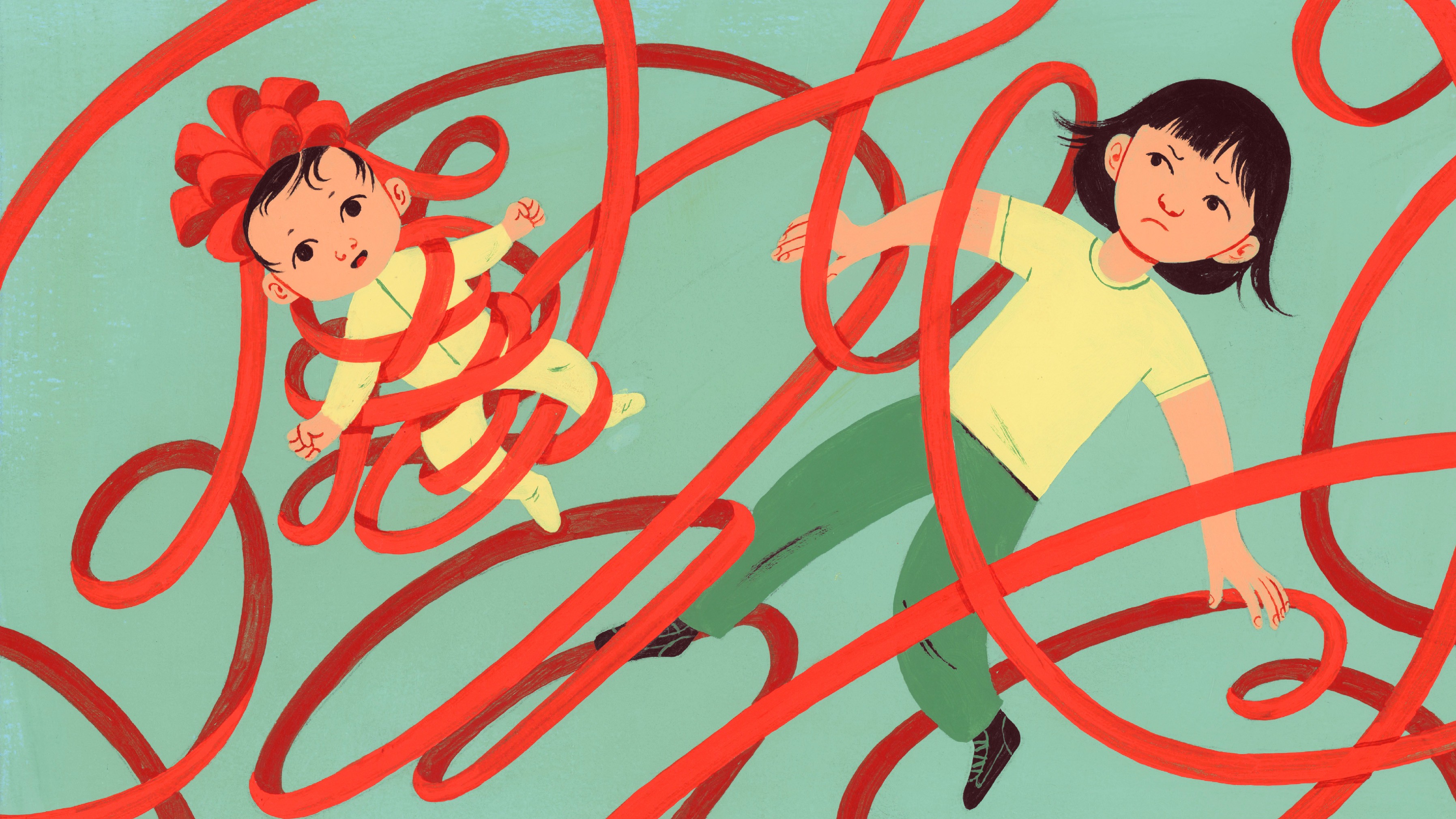
The common practice of referring to siblings as 'gifts' is being challenged for its inherent assumption that each new child addition to a family is unequivocally beneficial. This framing overlooks the complex realities and potential challenges that can arise with the arrival of a new sibling, suggesting a more nuanced perspective is needed. The term 'gift' implies an unalloyed positive contribution, a present that is always welcomed and enhances the recipient's life without reservation. However, the introduction of a new child into a family unit can bring about significant shifts in dynamics, resources, and parental attention, which may not always be perceived as a positive development by existing family members, particularly older children.
This perspective shift is crucial because the language used to describe family relationships can shape expectations and emotional responses. When a child is consistently told they are a 'gift,' or that their sibling is a 'gift,' it can create an unspoken pressure to embody that positive attribute. It may also invalidate any feelings of resentment, jealousy, or difficulty that arise from sibling interactions or the demands of a new baby. For instance, an older child might struggle with the division of parental time and affection, or with the disruption to their established routines and sense of self within the family. Labeling the new sibling as a 'gift' can make it harder for the older child to express these difficult emotions, potentially leading to suppressed feelings or a sense of being misunderstood.
Furthermore, the 'gift' metaphor can place an undue burden on the new child. As they grow, they may feel pressured to live up to the expectation of being a constant source of joy and benefit to the family. This can be particularly problematic if the child experiences developmental challenges, behavioral issues, or simply has a personality that does not align with the idealized notion of a 'gift.' The term can also inadvertently foster a sense of entitlement or superiority in the child who is perceived as the 'gift,' or conversely, a sense of inadequacy in the child who feels they are not living up to that label. A more neutral or descriptive approach to sibling relationships, acknowledging both the joys and the difficulties, might allow for more authentic emotional expression and healthier family dynamics. This would permit all family members to navigate the complexities of their relationships with greater honesty and acceptance.
Original source — read the full reporting at the publisher:
Read on The AtlanticGet the weekly AI digest
AI news + new model releases, weekly. Drafted by our agents, reviewed by humans.