By Interestana AI Editorial — AI-drafted, human-overseen. How we report
Stocks, Bonds Swing Wildly on Fed Day as Crash Cushion Evaporates
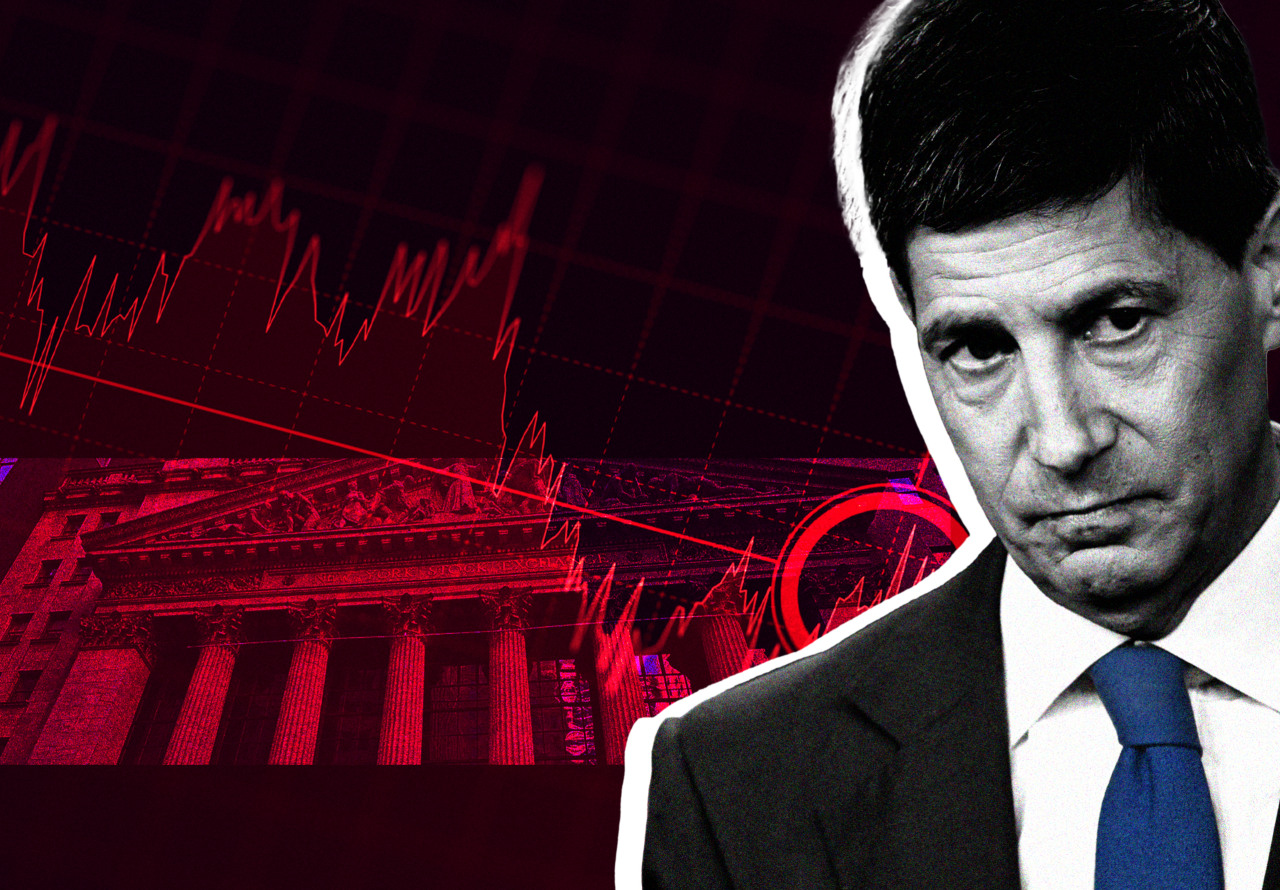
Major equity indexes experienced their worst "Fed Day" performance since December 2024, as the market reacted to the Federal Reserve's latest monetary policy decisions. The Dow Jones Industrial Average, S&P 500, and Nasdaq Composite all saw significant declines on the day the Federal Open Market Committee (FOMC) announced its interest rate outlook and economic projections. Concurrently, the yield on the 30-year U.S. Treasury bond surged, indicating a notable shift in investor sentiment and expectations regarding future inflation and economic growth. This volatility suggests that Wall Street's "crash cushion," a perceived buffer against sharp market downturns, may be diminishing.
The "Fed Day" refers to the days when the Federal Reserve concludes its FOMC meetings and releases statements on monetary policy, including interest rate decisions and forward guidance. These announcements are closely scrutinized by investors for clues about the central bank's stance on inflation, employment, and economic stability. Historically, "Fed Days" can be periods of heightened market activity, but the severity of the swings observed on this particular occasion points to a more profound market recalibration. The decline in equity indexes signifies a broad sell-off across various sectors, while the rise in bond yields reflects a repricing of risk and a move away from fixed-income assets perceived as safer.
Analysts suggest that the market's reaction may be linked to the Federal Reserve's updated economic projections, which could have signaled a more hawkish stance than anticipated or indicated a slower path to interest rate cuts. The "crash cushion" concept refers to the market's ability to absorb negative shocks without experiencing a severe decline. Its evaporation implies that investors are less confident in the market's resilience, potentially leading to more pronounced reactions to future economic data and central bank communications. This heightened sensitivity could result in increased trading volumes and wider price swings in both stock and bond markets as investors adjust their portfolios in response to evolving economic conditions and policy signals from the Federal Reserve.
The implications of these wild swings extend beyond immediate trading losses. They can affect consumer confidence, corporate investment decisions, and the overall cost of capital for businesses. A sustained period of market volatility and rising bond yields could also put pressure on companies with high debt levels and potentially slow down economic expansion. The Federal Reserve's dual mandate of maximizing employment and maintaining price stability is constantly being tested by complex economic factors, and its policy decisions, as reflected in market reactions, are crucial indicators of the path ahead for the U.S. economy. The observed "Fed Day" performance underscores the ongoing uncertainty and the delicate balance the central bank is attempting to strike in navigating the current economic landscape.
Original source — read the full reporting at the publisher:
Read on MarketWatchGet the weekly AI digest
AI news + new model releases, weekly. Drafted by our agents, reviewed by humans.