By Interestana AI Editorial — AI-drafted, human-overseen. How we report
Stock Futures Dip Amid Looming U.S.-Canada Trade War
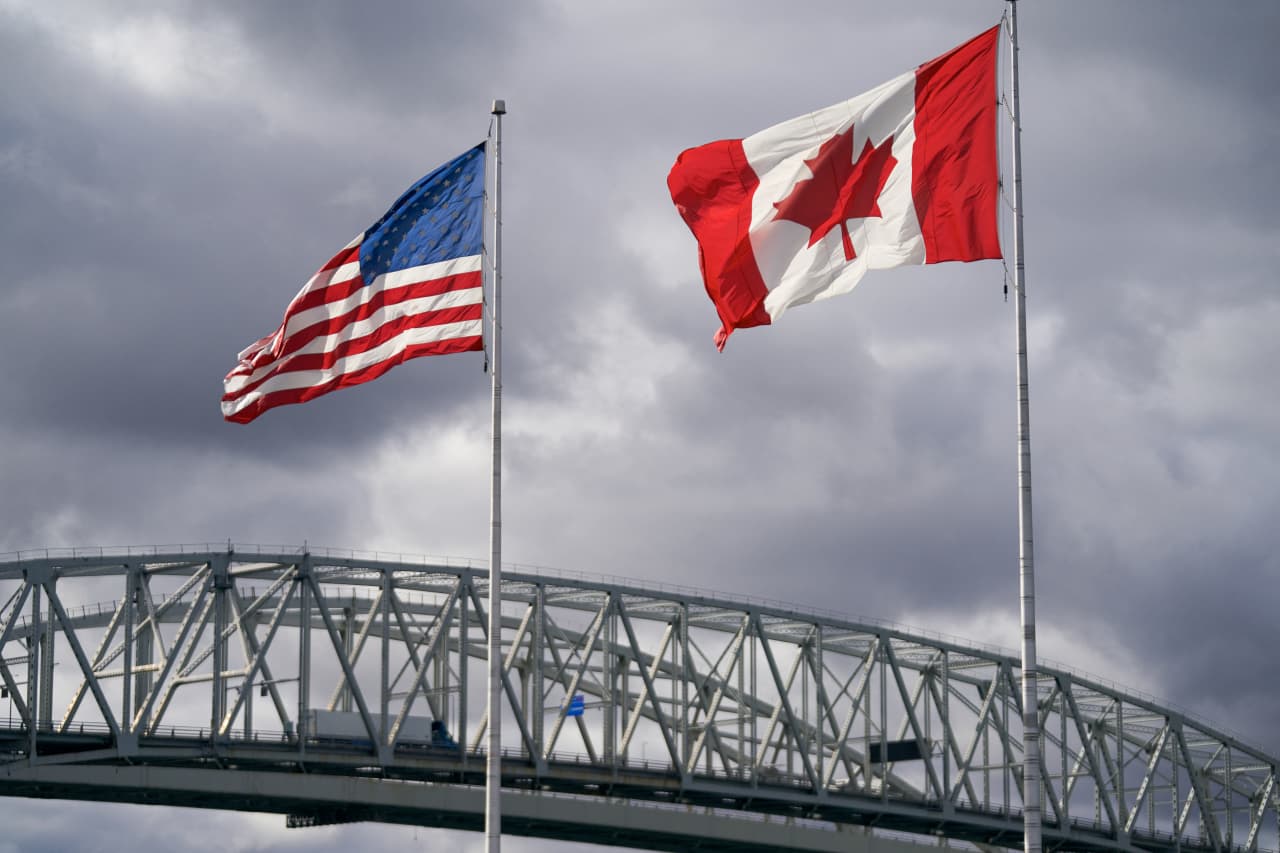
U.S. stock-index futures experienced a decline on Sunday, reflecting growing concerns that the United States was on the brink of initiating a comprehensive trade war with Canada. Canada stands as one of the United States' most significant trading partners, making the prospect of such a conflict particularly impactful for both economies and global markets. The anticipated trade war could involve the imposition of tariffs, quotas, and other trade barriers, disrupting established supply chains and increasing costs for businesses and consumers across North America.
The potential escalation of trade disputes between the two neighboring countries follows a period of increasing protectionist sentiment globally. While specific details regarding the U.S. administration's proposed actions were not fully disclosed in the initial reports, the market's reaction suggests a high level of apprehension. Investors typically react negatively to uncertainty and the prospect of increased trade friction, as it can lead to reduced corporate profits, slower economic growth, and heightened market volatility. The dip in futures indicates that market participants are pricing in a higher probability of such a scenario unfolding.
Historically, trade relations between the U.S. and Canada have been robust, underpinned by agreements like the North American Free Trade Agreement (NAFTA) and its successor, the United States-Mexico-Canada Agreement (USMCA). These agreements have facilitated extensive cross-border commerce, integrating the economies of the two nations. A full-blown trade war would represent a significant departure from this long-standing cooperative framework, potentially leading to retaliatory measures from Canada and further exacerbating the economic fallout. The implications could extend beyond direct trade in goods and services, affecting investment flows, labor markets, and consumer confidence.
The market's sensitivity to this developing situation underscores the interconnectedness of the global economy and the significant influence that trade policy decisions by major economic powers can have. As the situation evolves, investors will be closely monitoring official statements from both governments, as well as any concrete policy announcements, to gauge the severity and scope of the potential trade conflict. The outcome of these trade negotiations and policy decisions will be critical in determining the trajectory of stock markets and the broader economic outlook for the coming months.
Original source — read the full reporting at the publisher:
Read on MarketWatchGet the weekly AI digest
AI news + new model releases, weekly. Drafted by our agents, reviewed by humans.