By Interestana AI Editorial — AI-drafted, human-overseen. How we report
Valve Releases Steam Frame Standalone VR Headset
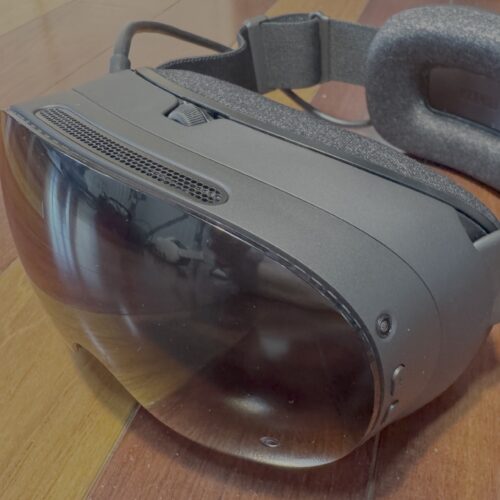
Valve has launched the Steam Frame, a standalone virtual reality headset, with reservations opening on an unspecified date in 2026. This release marks a significant and surprising re-entry into the VR hardware market for Valve, a company that was once a prominent player in the early days of PC-connected virtual reality. In the 2010s, Valve collaborated with HTC on the Vive headset and later released its own Valve Index headset, alongside the VR adventure game Half-Life: Alyx. However, the market shifted with the introduction of the Meta (formerly Oculus) Quest, a more accessible and affordable standalone headset that appealed to a broader audience of VR-curious gamers. The success of the Quest line in the 2020s led Valve to appear to deprioritize its VR hardware and software initiatives, with years of what the article describes as "benign neglect" of the VR space. The Steam Frame is priced at $1,049, positioning it as a premium device in the standalone VR market. The article notes that the headset is launching at a time when the initial revolutionary promises of virtual reality have not fully materialized, making Valve's renewed commitment to standalone VR a notable development. After a week of testing, the reviewer found the Steam Frame to be a complex device, exhibiting characteristics of being both "overengineered and underbaked." This assessment suggests that while the hardware may possess advanced features, its overall execution and user experience may still require refinement. The article implies that the Steam Frame is Valve's latest attempt to capture a share of the gaming hardware market, following its previous ventures into VR and its continued success with the Steam platform for PC game distribution. The decision to enter the standalone VR market with a high-priced device, after a period of apparent disengagement, raises questions about Valve's strategy and its long-term vision for virtual reality. The article does not provide specific details on the technical specifications of the Steam Frame, its target audience beyond "VR-curious gamers," or its competitive advantages against established standalone headsets like those from Meta. The review focuses primarily on the author's subjective experience with the device and its unexpected arrival in the current VR landscape.
Original source — read the full reporting at the publisher:
Read on Ars TechnicaGet the weekly AI digest
AI news + new model releases, weekly. Drafted by our agents, reviewed by humans.