By Interestana AI Editorial — AI-drafted, human-overseen. How we report
LinkedIn's 'Open to Work' Badge Shows Mixed Results
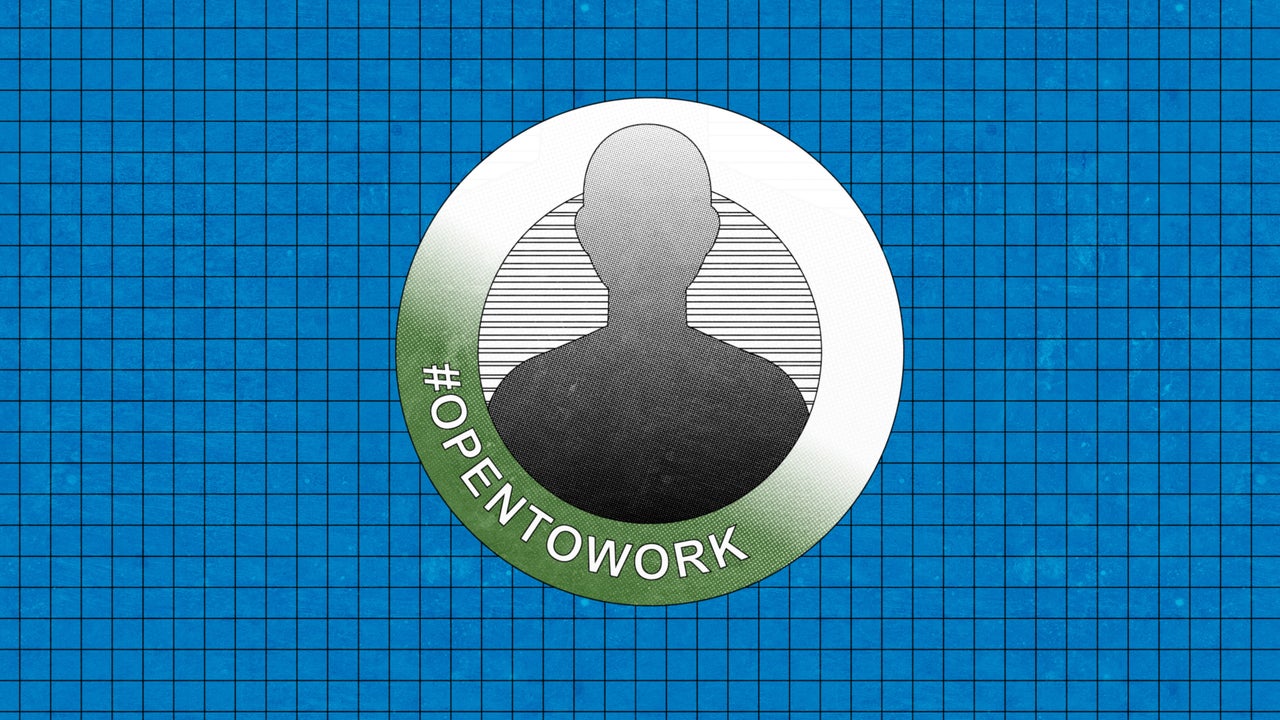
LinkedIn's "Open to Work" badge, a green frame around profile pictures indicating job search status, has been in use for six years and is currently displayed by over 60 million users. Despite its widespread adoption, the badge has sparked ongoing debate regarding its effectiveness and perception among hiring managers and recruiters. On July 19, 2026, engineer Ben Lang posted on X (formerly Twitter) that the badge signals a "negative signal for hiring managers and recruiters," a post that gained significant traction with over a million views.
This sentiment echoes a long-standing discussion on the platform, with some users arguing the badge can appear "desperate" to recruiters, while others see it as a vital tool for visibility in a crowded professional network. LinkedIn, however, presents data suggesting the badge is beneficial. According to the company, members using the public #OpenToWork frame are nearly two times as likely to receive messages from recruiters compared to those who do not. Furthermore, these users reportedly find new employment opportunities more than 20% faster than job seekers who opt out of displaying the badge.
LinkedIn initially launched the "Open to Work" feature in 2020, a period marked by significant layoffs and hiring freezes due to the global pandemic. The intention was to provide a clear visual cue for individuals actively seeking new roles, thereby facilitating connections with potential employers. The platform's internal data indicates that the badge serves its intended purpose of increasing visibility and accelerating the job search process. However, the persistent negative perception suggests that the design or implementation of the badge may warrant reconsideration or a redesign to better align with recruiter expectations and user experience.
Original source — read the full reporting at the publisher:
Read on Fast CompanyGet the weekly AI digest
AI news + new model releases, weekly. Drafted by our agents, reviewed by humans.