By Interestana AI Editorial — AI-drafted, human-overseen. How we report
Starbucks Unveils Smaller Store Designs for Future Growth
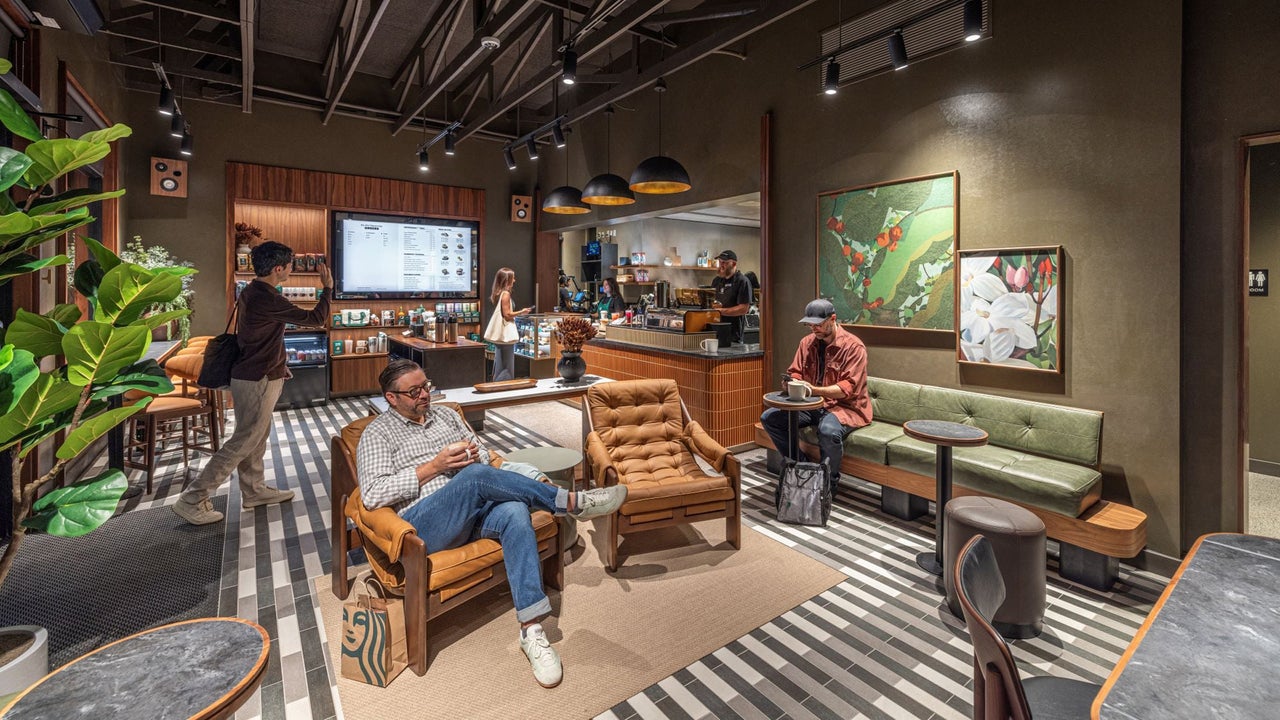
Starbucks announced on Tuesday the rollout of new store concepts featuring a smaller physical footprint, a strategic move aimed at adapting to diverse locations and driving revenue growth. Prototypes of these innovative coffeehouses have already been implemented, with one opening in New York City last year and another in San Antonio last month. The company, which operates over 29,000 retail stores globally, has consistently re-evaluated its real estate strategy in recent years, and this latest concept underscores a belief in the future viability of more numerous, smaller, and inviting coffee shops.
The design of these new, smaller cafés incorporates several key modifications to enhance customer experience and operational efficiency. Notably, the counter area has been shortened, and a more compact glass display for bakery and food items is positioned directly at the point of sale, streamlining the ordering process. Seating arrangements are flexible and vary based on the specific location. For instance, a compact urban coffee shop, potentially converted from a former mobile-only location, might offer seating for only a few individuals. Conversely, larger iterations of the smaller footprint concept can accommodate more substantial seating, including plush chairs and tables suitable for multiple patrons working on laptops.
Visuals released by Starbucks showcase a design aesthetic characterized by dark green walls and wood accents, creating a warm and inviting atmosphere. Decorative elements such as plants and side tables adorned with knickknacks contribute to a homey feel. Outdoor seating is also integrated, with an awning providing shade for a patio area. This design philosophy aligns with the company's broader "Back to Starbucks" initiative, which seeks to make coffeehouses more welcoming environments. This initiative, spearheaded by CEO Brian Niccol who joined in 2024, has also seen the reintroduction of handwritten notes on coffee cups, the inclusion of comfortable seating, and a revived employee dress code.
This strategic shift follows Starbucks' earlier exploration of mobile-only locations, which were introduced in 2019 but subsequently closed last year as part of a broader pivot and turnaround plan. The emphasis on smaller, adaptable, and inviting store formats reflects Starbucks' commitment to evolving its retail presence to meet changing consumer preferences and optimize its extensive real estate portfolio for sustained revenue generation and enhanced customer engagement.
Original source — read the full reporting at the publisher:
Read on Fast CompanyGet the weekly AI digest
AI news + new model releases, weekly. Drafted by our agents, reviewed by humans.