By Interestana AI Editorial — AI-drafted, human-overseen. How we report
Starbucks AI Inventory Tool Pulled After 9 Months
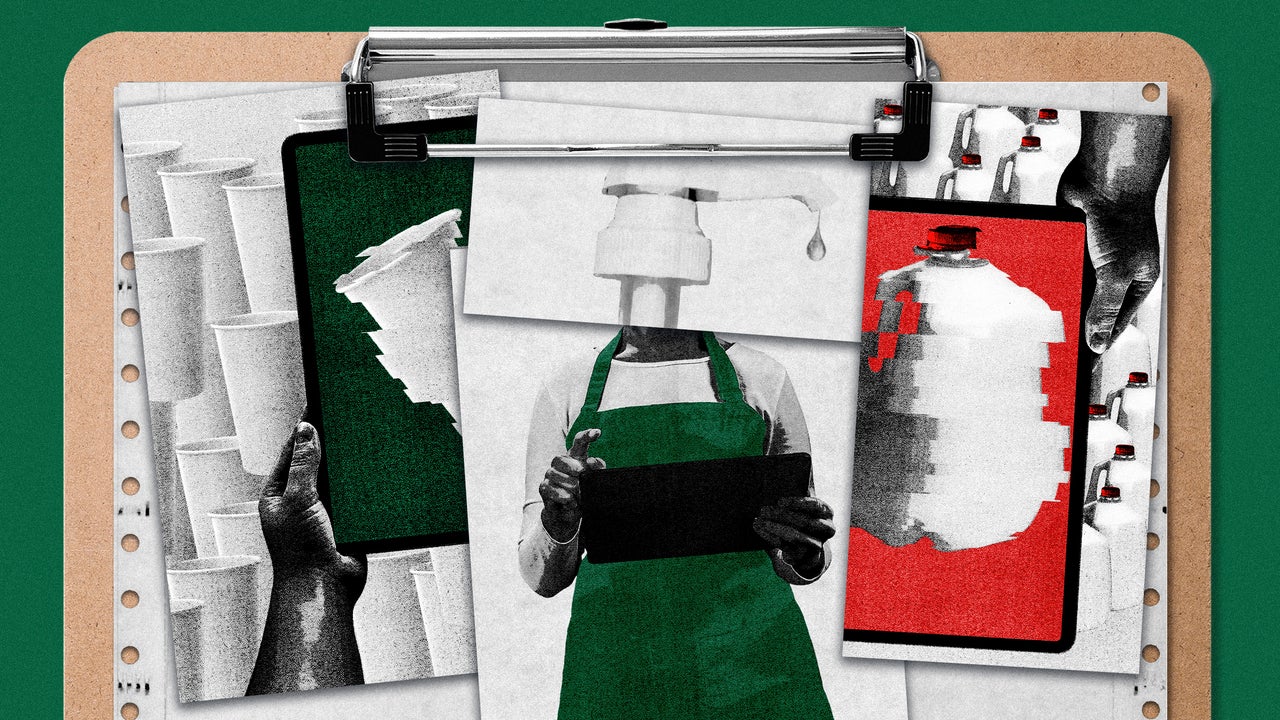
Starbucks deployed an artificial intelligence tool called Automated Counting in September to automate its twice-weekly inventory process, aiming to reduce the hour-long task to between 10 and 12 minutes. This tool utilized an iPad camera to identify and tally items on storage shelves. However, within weeks of its nationwide rollout to all 11,300 company-operated cafés by the end of September, baristas reported significant operational issues. One common problem involved reflections in refrigerators, such as in Seattle-area cafés, where the AI would miscount oat milk cartons by counting their reflections, turning five actual cartons into ten. This occurred despite warnings that manual counts were no longer acceptable. Other baristas across the country experienced the AI misidentifying beverage syrups and, in one documented instance, mistaking a trash can for food inventory. Megan Queen, a store manager in Graham, Texas, faced the opposite challenge, where her Automated Counting tool would erroneously make items disappear. This issue was exacerbated by unreliable internet connectivity in her rural location; when the Wi-Fi dropped mid-count, the app's progress was erased, forcing supervisors to revert to manual counts, which were then invalidated by the company.
Insiders suggest that the development and deployment of the Automated Counting tool may have cost Starbucks upwards of $10 million over several years. The rapid implementation across all company-operated stores, completed by the end of September, meant that widespread issues were encountered almost immediately. Baristas reported feeling left in the dark regarding the tool's functionality and, at times, were allegedly blamed for the AI's errors. The system's failures led to inaccurate inventory data, potentially impacting ordering and stock management. The tool's inability to reliably distinguish between actual products and environmental factors like reflections, or to function consistently with intermittent internet, highlighted significant flaws in its design and implementation. These persistent problems ultimately led to the tool's abrupt elimination from all stores overnight, nine months after its initial launch.
Following the removal of the Automated Counting system, Starbucks has reverted to traditional manual methods for counting and recording milk and beverage items, mirroring the established procedures for all other store inventory. This decision signifies a setback for the company's integration of AI into its core operational processes. The initiative, intended to enhance efficiency and accuracy, instead resulted in significant disruption and frustration for store staff. The substantial investment in development and deployment, estimated to be over $10 million, underscores the scale of the project and the subsequent financial implications of its failure. The experience has raised questions about the thoroughness of testing and the readiness of AI solutions for complex, real-world retail environments, particularly concerning their interaction with physical spaces and variable conditions like lighting and internet stability. The company's swift decision to pull the plug suggests a recognition of the tool's fundamental unsuitability for its intended purpose, despite the initial strategic push for AI adoption.
Original source — read the full reporting at the publisher:
Read on Fast CompanyGet the weekly AI digest
AI news + new model releases, weekly. Drafted by our agents, reviewed by humans.