By Interestana AI Editorial — AI-drafted, human-overseen. How we report
Stablecoin Wallets Compete With Banks for Consumer Funds
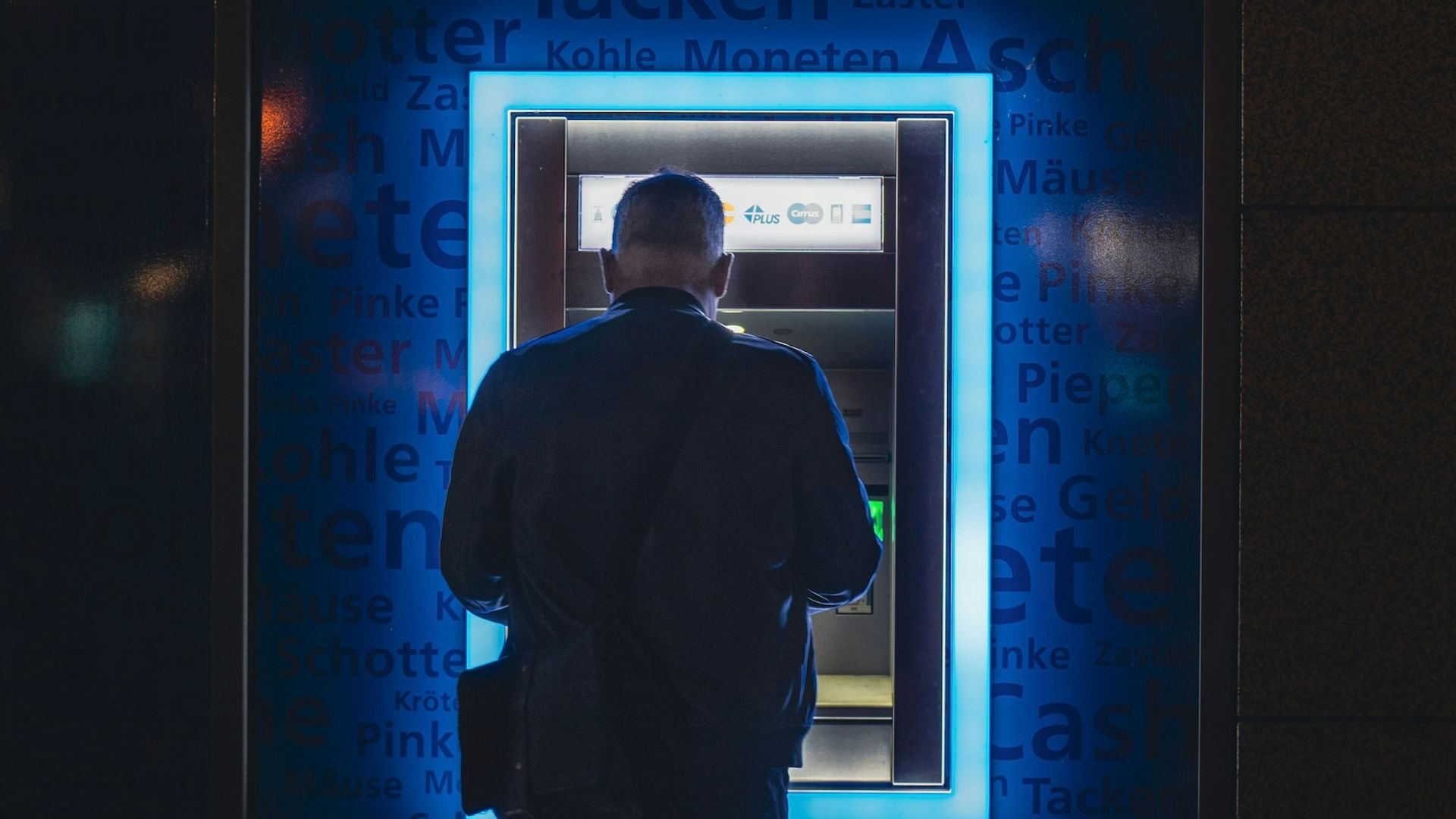
Stablecoin wallets are increasingly positioning themselves as a primary hub for consumer money management, directly challenging the long-standing dominance of traditional bank accounts. This shift has ignited a debate among industry leaders regarding the ultimate impact these digital wallets will have on the financial landscape. Some foresee a complete dismantling of traditional banking structures, while others anticipate a more evolutionary path where stablecoin wallets modernize and integrate with existing financial infrastructure, rather than replacing it entirely.
The core appeal of stablecoin wallets lies in their ability to offer enhanced functionalities and potentially lower transaction costs compared to conventional banking services. Stablecoins, which are cryptocurrencies pegged to a stable asset like the US dollar, provide a digital representation of value that can be transacted globally with greater speed and less friction than traditional wire transfers or international payments. This inherent efficiency makes them attractive for everyday transactions, remittances, and even as a store of value for consumers seeking alternatives to the often cumbersome and fee-laden processes associated with traditional banks.
Proponents argue that the user experience offered by many stablecoin wallets is more intuitive and accessible, particularly for younger demographics or individuals in regions with underdeveloped banking systems. Features such as instant peer-to-peer transfers, integrated decentralized finance (DeFi) applications, and the potential for higher yields through staking or lending protocols further enhance their attractiveness. These capabilities are not typically available or are more complex to access through standard bank accounts, creating a compelling value proposition for consumers looking for more control and flexibility over their finances.
However, the rise of stablecoin wallets also brings significant regulatory and security considerations to the forefront. The decentralized nature of some stablecoin operations, while offering benefits, also presents challenges for consumer protection and financial stability. Regulators worldwide are grappling with how to oversee these new financial instruments to prevent illicit activities, ensure adequate reserves backing the stablecoins, and protect consumers from potential volatility or platform failures. The debate is not just about technological innovation but also about establishing robust frameworks that can foster trust and widespread adoption while mitigating systemic risks. The future trajectory of stablecoin wallets will likely depend on their ability to navigate these complex regulatory environments and demonstrate a consistent track record of security and reliability, thereby solidifying their position as a viable and perhaps even preferred alternative to traditional banking for a growing segment of the consumer market.
Original source — read the full reporting at the publisher:
Read on CoinDeskGet the weekly AI digest
AI news + new model releases, weekly. Drafted by our agents, reviewed by humans.