By Interestana AI Editorial — AI-drafted, human-overseen. How we report
Spotify Adds Release Radar Music Filtering Controls
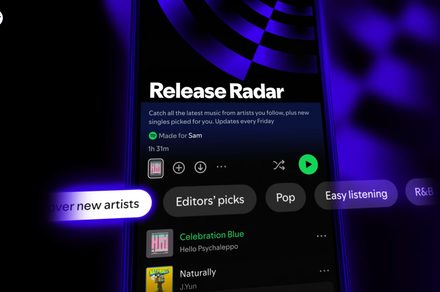
Spotify released new session controls for its Release Radar playlist globally this week, enabling users to filter their weekly new music selections before listening. These controls allow listeners to refine their Release Radar experience by genre, focusing on entirely new artists, or prioritizing tracks chosen by Spotify's editorial team. This update aims to provide users with more personalized and directed discovery of new music.
The Release Radar playlist is a core feature for many Spotify users, delivering a curated selection of new releases from artists they follow and artists similar to those they listen to. Previously, users had limited ability to influence the content beyond their general listening habits. The introduction of genre filtering means users can, for example, opt to only see new releases within hip-hop or electronic music. Similarly, the 'new artists' filter is designed for users actively seeking out emerging talent rather than established acts.
The 'editor picks' option offers a curated stream of new music as selected by Spotify's internal music experts. This feature leverages human curation to highlight tracks that might otherwise be missed in algorithmically generated playlists. The rollout of these controls is intended to enhance user engagement by giving them a more active role in their music discovery process, potentially leading to longer listening sessions and increased satisfaction with the platform's recommendations. The company has not specified any further changes to the Release Radar algorithm itself, focusing instead on user-facing controls for playlist management.
Original source — read the full reporting at the publisher:
Read on Digital TrendsGet the weekly AI digest
AI news + new model releases, weekly. Drafted by our agents, reviewed by humans.