By Interestana AI Editorial — AI-drafted, human-overseen. How we report
Ten Spider Species Visible Across Britain This Autumn
The autumn season in Britain brings a noticeable increase in spider activity, with ten common species becoming more visible in homes and gardens. This heightened presence is not due to a sudden population boom, but rather because spiders reach their maximum size and construct larger webs during this period, making them more conspicuous. Dave Clarke, an ectotherm specialist at the Zoological Society of London, explains that while spider populations hatch in the spring with hundreds of babies per egg sac, these young spiders are small and less noticeable. Throughout the summer, they grow and mature, leading to their increased visibility in the autumn.
Among the species likely to be encountered are the Cardinal spider (Eratigena atrica), known for its large size and often found indoors. This species is one of the largest house spiders in the UK, with a leg span that can reach up to 10 cm. Another common sight is the False wolf spider (Zoropsis spinimana), which has recently established itself in the UK and can be mistaken for true wolf spiders. These spiders are ground-dwelling hunters and are also frequently found in homes, particularly in southern England. Their presence signifies a shift in the arachnid landscape, with new species becoming more prevalent.
The common garden spider (Araneus diadematus), also known as the European garden spider or cross spider, is another species that becomes highly visible in autumn. These orb-weavers construct large, intricate webs, often across garden paths, doorways, and windows, making their presence undeniable. Their distinctive cross-shaped marking on the abdomen is a key identification feature. The cellar spider (Pholcus phalangioides), characterized by its extremely long, thin legs and small body, is commonly found in cellars, garages, and other undisturbed indoor areas, often hanging upside down from ceilings. Despite their delicate appearance, they are efficient predators of other spiders and insects.
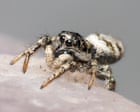
Other species contributing to the autumn spider spectacle include the giant house spider (Tegenaria gigantea), which, like the Cardinal spider, is a large, fast-moving arachnid often encountered indoors as males search for females. The lace weaver spiders (Amaurobius species) build characteristic funnel-shaped webs, often found in cracks and crevices outdoors and sometimes indoors. The zebra jumping spider (Salticus scenicus) is a smaller, yet highly active species known for its distinctive black and white stripes and its habit of hunting by leaping onto its prey. These jumping spiders have excellent vision and are often seen on sunny walls and fences. The money spider (Linyphiidae family) encompasses a vast group of small spiders, many of which are ballooning on silken threads in the autumn air, contributing to the widespread presence of webs. Finally, the orb-weaver spider (Araneidae family), which includes the garden spider, is responsible for many of the large, circular webs seen in gardens and hedgerows. The increased visibility of these ten species highlights the natural cycle of spider life and their integration into British domestic and garden environments during the autumn months.
Original source — read the full reporting at the publisher:
Read on The Guardian EnvironmentGet the weekly AI digest
AI news + new model releases, weekly. Drafted by our agents, reviewed by humans.