By Interestana AI Editorial — AI-drafted, human-overseen. How we report
House Passes Spending Bill Blocking OMB Control Over Grants
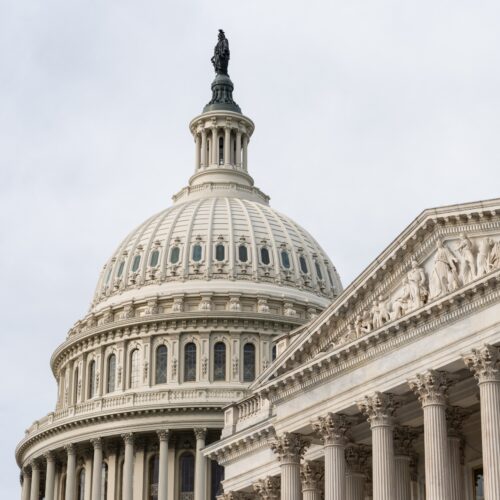
The House of Representatives passed a stopgap spending measure on Tuesday, extending government funding through early December and averting an immediate shutdown before the midterm elections. This continuing resolution, which requires President Trump's signature, was adopted by the House after internal Republican dissent prevented them from agreeing on their own funding bill. The House's decision to adopt the Senate's version of the spending bill, passed in early August, proved beneficial for the scientific community. This is because the Senate's bill contains a critical provision that blocks the Office of Management and Budget (OMB) from enacting new rules that would grant political appointees complete authority over the allocation of science funding and the ability to cancel any grant at any time. The proposed OMB rule had been widely condemned as potentially catastrophic for scientific research and faced significant opposition from numerous scientific and health-focused organizations. These organizations expressed concerns that such a rule would politicize the grant-making process, stifle innovation, and undermine the integrity of scientific inquiry. The provision's inclusion in the Senate's bill, and its subsequent adoption by the House, represents a significant victory for advocates of independent scientific research. It ensures that funding decisions will continue to be guided by peer review and scientific merit, rather than political considerations. The OMB's proposed changes, if implemented, would have fundamentally altered the landscape of federal research funding, potentially leading to a chilling effect on research in sensitive or politically charged areas. The current legislative action effectively preserves the existing framework for federal science funding, which is designed to foster long-term research endeavors and support a broad spectrum of scientific exploration. The passage of this stopgap measure highlights the ongoing challenges in securing full-year appropriations for the US government, a pattern that has become increasingly common in recent years due to political divisions. The reliance on continuing resolutions underscores the difficulty in achieving bipartisan consensus on budgetary matters, particularly when significant policy riders are attached. However, in this instance, the inclusion of the provision safeguarding scientific grant autonomy was a key factor that garnered broad support, even amidst broader budgetary disagreements. The scientific community had mobilized extensively to lobby against the proposed OMB rule, with many prominent research institutions and professional societies issuing statements and engaging with lawmakers. Their collective efforts appear to have been instrumental in ensuring the provision's inclusion and subsequent passage. The outcome suggests a recognition by some policymakers of the importance of protecting the independence of scientific research from undue political influence, a principle considered fundamental to scientific progress and national competitiveness. The continued funding through early December provides a temporary reprieve, but the broader budget negotiations for the fiscal year will resume, presenting future opportunities for policy debates that could impact scientific funding and oversight.
Original source — read the full reporting at the publisher:
Read on Ars TechnicaGet the weekly AI digest
AI news + new model releases, weekly. Drafted by our agents, reviewed by humans.