By Interestana AI Editorial — AI-drafted, human-overseen. How we report
Heatwaves Slash Bee Fertility, Threatening Crop Pollination
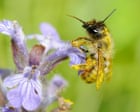
A study published this week has demonstrated that extreme heatwaves severely diminish the fertility of bees, creating a knock-on effect that threatens the pollination of food crops in subsequent years. Researchers simulated a three-day UK heatwave in laboratory conditions to assess its impact on solitary red mason bees.
The findings indicate a sharp drop in fertility among bees exposed to the simulated heatwave when compared to a control group maintained under ordinary summer conditions. This reduction in reproductive capacity has significant implications beyond the immediate survival of the bee population. Bees are crucial pollinators for a vast array of food crops, and a decline in their fertility can lead to reduced yields and potential food shortages.
Professor James Gilbert from the University of Hull led the research, collaborating with colleagues to conduct the experiments. The study highlights the often-overlooked consequences of extreme weather events on wildlife and ecosystems. While the immediate health impacts of heatwaves on humans are well-documented, this research underscores the broader ecological ramifications, particularly for species vital to agricultural productivity.
The long-term implications of such fertility declines could affect agricultural planning and food security. As climate change is projected to increase the frequency and intensity of heatwaves, understanding and mitigating these impacts on pollinators like bees becomes increasingly critical for maintaining healthy ecosystems and reliable food supplies.
Original source — read the full reporting at the publisher:
Read on The Guardian EnvironmentGet the weekly AI digest
AI news + new model releases, weekly. Drafted by our agents, reviewed by humans.