By Interestana AI Editorial — AI-drafted, human-overseen. How we report
Trump Attacks First Amendment Rights
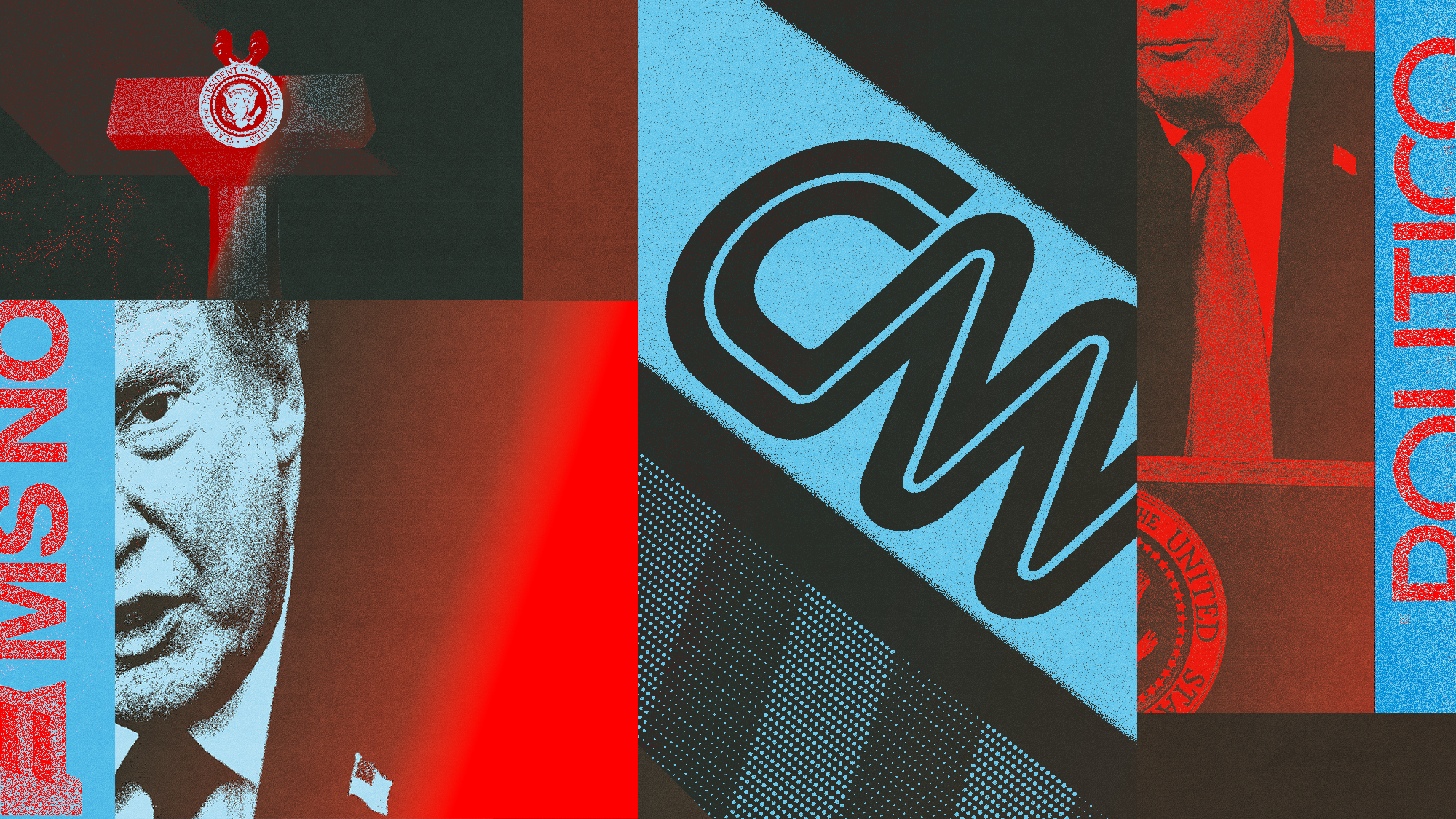
Donald Trump has repeatedly expressed skepticism and hostility towards the First Amendment, particularly its guarantees of freedom of speech and the press. These sentiments have been voiced across various platforms and during different periods of his public life, raising concerns among civil liberties advocates and legal scholars about his commitment to constitutional protections. Trump's rhetoric often targets news organizations he deems unfair or critical, suggesting that libel laws should be loosened to make it easier to sue journalists and media outlets. He has also proposed revoking the licenses of broadcasters whose coverage he dislikes, an action that would likely face significant legal challenges under existing First Amendment jurisprudence.
During his presidency and in subsequent public statements, Trump has frequently characterized critical reporting as "fake news" and "enemies of the people." This language has been interpreted by many as an attempt to undermine public trust in the media and to delegitimize unfavorable coverage. His administration also took actions that were seen as adversarial to the press, such as limiting access for certain journalists and news organizations to White House briefings and events. These actions, while not directly infringing on the First Amendment's core protections, were viewed by critics as creating a chilling effect on journalistic inquiry and accountability.
Beyond his criticisms of the press, Trump has also made statements that suggest a broader questioning of free speech principles when they are applied to speech he finds objectionable. While he has often championed his own right to speak freely, he has also indicated a willingness to restrict speech that he perceives as harmful or disloyal. This selective application of free speech principles has led to accusations of hypocrisy and a concern that his approach to the First Amendment is transactional rather than principled. The implications of these views are significant, as a president's stance on fundamental rights can shape public discourse and influence policy decisions.
Legal experts have noted that many of Trump's proposed actions, such as loosening libel laws or revoking broadcast licenses based on content, would likely be deemed unconstitutional by the courts. The Supreme Court has consistently upheld broad protections for speech and the press, even for speech that is critical or unpopular. However, the persistent nature of Trump's attacks on these foundational rights keeps the issue in public discussion and highlights ongoing debates about the scope and limits of constitutional freedoms in the United States. His rhetoric continues to be a focal point for those concerned about the future of free expression and the role of a free press in a democracy.
Original source — read the full reporting at the publisher:
Read on The AtlanticGet the weekly AI digest
AI news + new model releases, weekly. Drafted by our agents, reviewed by humans.