By Interestana AI Editorial — AI-drafted, human-overseen. How we report
Spain's PM Calls Snap Election After Housing Bill Fails
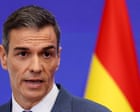
Spanish Prime Minister Pedro Sánchez announced a snap general election on Monday morning, a decision widely anticipated following the failure of emergency legislation designed to address the country's housing crisis. The legislation, put forward by Sánchez's minority socialist government, was voted down by rightwing parties just three days prior. This political maneuver by the opposition effectively torpedoed the government's efforts to respond to growing public anger over escalating housing costs and availability. Sánchez, who has held the office of Prime Minister since 2018, communicated his decision in a televised address, signaling a significant shift in the nation's political landscape. The failure of the housing bill represents a critical setback for the government's agenda and highlights the deep divisions within the Spanish parliament regarding economic and social policy. The timing of the election, called unexpectedly, suggests a strategic move by Sánchez to seek a new mandate from the electorate amidst the political turmoil. The housing crisis has been a focal point of public discontent, with protests growing in recent weeks, underscoring the urgency and sensitivity of the issue. The opposition's rejection of the emergency measures indicates a significant challenge to the government's ability to pass key legislation, particularly on contentious social and economic matters. This snap election will likely see housing affordability and the government's response to the crisis become central themes of the campaign. The political climate in Spain has been characterized by a minority government facing a fragmented opposition, making legislative progress a constant challenge. The outcome of this election will determine the future direction of Spain's housing policy and its broader economic strategy. The decision to call an early election is a high-stakes gamble for Sánchez, aiming to consolidate power or potentially face a change in leadership. The specific date for the snap election has not yet been announced, but it is expected to occur in the coming months, setting the stage for an intense period of political campaigning and debate. The failure of the housing legislation is a clear indicator of the political deadlock that has been plaguing the government, forcing Sánchez to resort to this decisive electoral measure. The public's frustration with the housing situation has been palpable, and the government's inability to pass remedial legislation has likely exacerbated this sentiment. The election will serve as a referendum on Sánchez's leadership and his party's ability to govern effectively in the face of significant national challenges. The political opposition's stance on the housing crisis will also be scrutinized, as voters weigh their proposed solutions against those of the incumbent government. The international community will be observing Spain's political developments closely, given the country's economic significance within the European Union. The resolution of the housing crisis remains a paramount concern for the Spanish populace, and the upcoming election will be a crucial juncture in addressing this pressing issue.
Original source — read the full reporting at the publisher:
Read on The Guardian WorldGet the weekly AI digest
AI news + new model releases, weekly. Drafted by our agents, reviewed by humans.