By Interestana AI Editorial — AI-drafted, human-overseen. How we report
Spain Prepares for Century's First Solar Eclipse
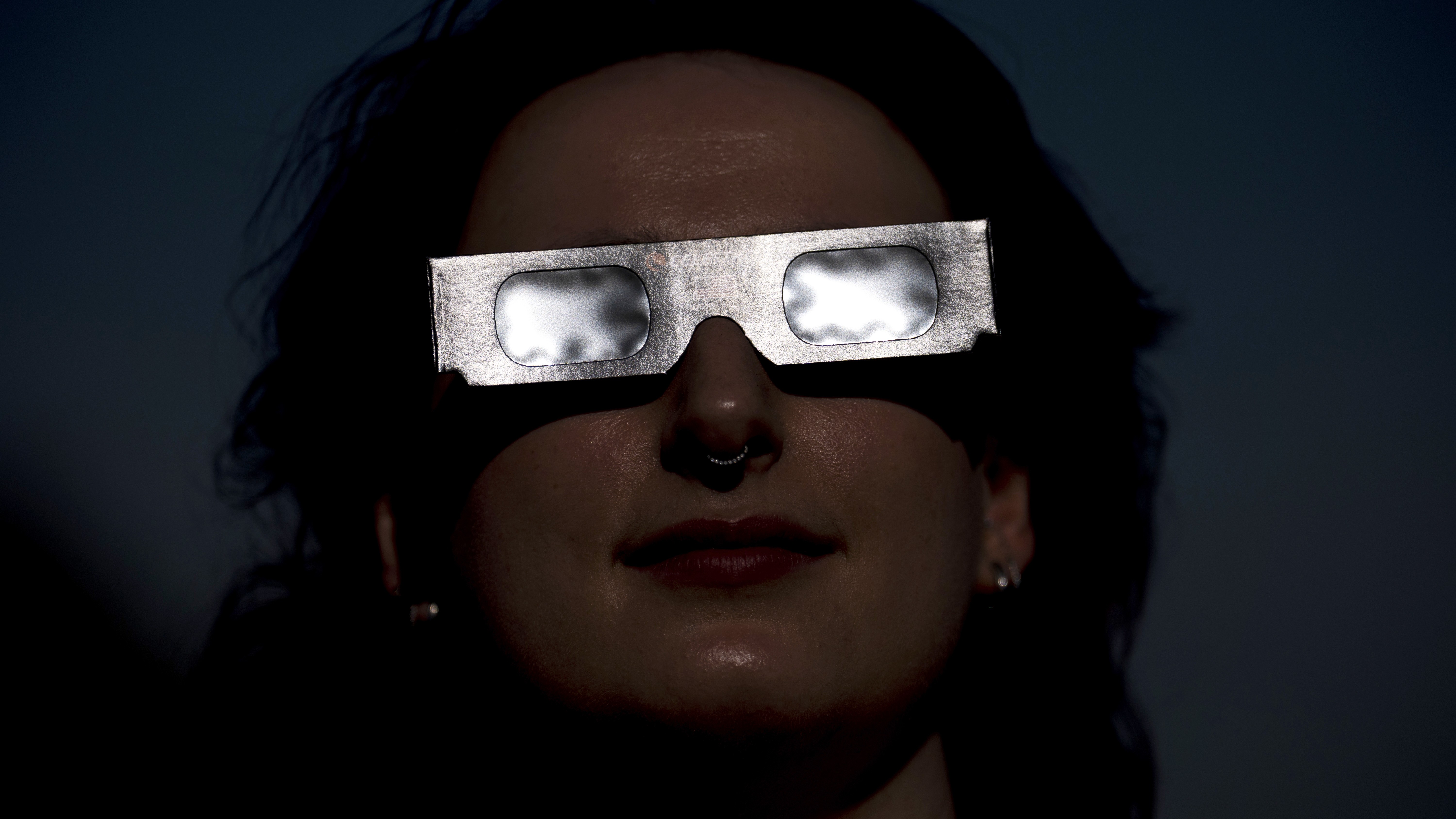
Spain is poised to witness its first total solar eclipse in a century on August 12, 2026, an event that astronomers and enthusiasts are eagerly anticipating. This celestial phenomenon will be visible across a significant portion of the country, offering a rare opportunity for observation and scientific study. The path of totality is expected to traverse the northern Iberian Peninsula, providing a prime viewing experience for those located within this corridor.
Following this significant event, Spain is scheduled to experience an even more dramatic solar eclipse on August 2, 2027. This subsequent eclipse is predicted to be more impactful due to its longer duration of totality and a wider path of visibility across the southern regions of the country. Astronomers have highlighted that the 2027 eclipse will offer a prolonged period of darkness, allowing for more extensive research into the Sun's corona and other atmospheric phenomena. The planning and preparation for both events are already underway, involving scientific institutions, educational bodies, and local authorities to maximize public engagement and safety.
These eclipses are not only scientific opportunities but also significant cultural and tourism draws. The Spanish government and various regional tourism boards are developing strategies to attract visitors from around the globe, aiming to boost local economies. Educational programs are being launched in schools and public forums to inform the public about the science behind solar eclipses and the importance of safe viewing practices. Organizations such as the National Astronomical Observatory of Spain (Observatorio Astronómico Nacional) are coordinating efforts to provide accurate information and viewing guidance.
The anticipation for the 2026 and 2027 eclipses is building upon a historical context where such events were often viewed with a mix of awe and superstition. Modern science, however, allows for a deeper understanding and appreciation of these astronomical occurrences. The scientific community plans to deploy specialized equipment to capture high-resolution data during the totality phases, contributing to ongoing research in solar physics and astrophysics. The events are expected to inspire a new generation of scientists and space enthusiasts in Spain and beyond, underscoring the enduring human fascination with the cosmos.
Original source — read the full reporting at the publisher:
Read on The AtlanticGet the weekly AI digest
AI news + new model releases, weekly. Drafted by our agents, reviewed by humans.