By Interestana AI Editorial — AI-drafted, human-overseen. How we report
China Recovers Orbital Rocket Booster With Sea-Based Net
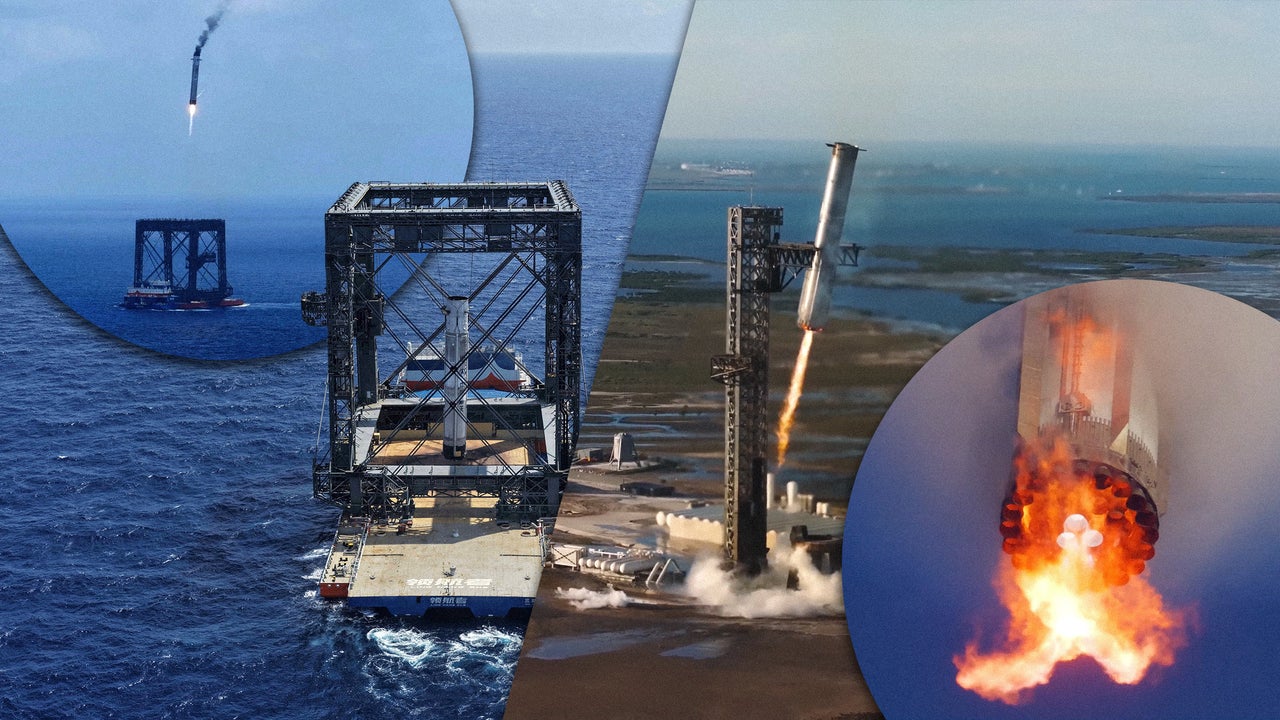
On July 10, China Aerospace Science and Technology Corp. (CASC) successfully recovered the first stage of its Long March-10B rocket after its inaugural flight, a feat previously achieved only by SpaceX. This recovery method utilized a unique sea-based net system mounted on a ship, distinguishing it from SpaceX's tower-based "chopsticks" mechanism used for its Starship boosters. CASC's approach makes China the second nation to recover an orbital-class booster and the first to employ a mobile, maritime net for such a recovery.
The development of reusable rocket technology is crucial for China's ambition to challenge SpaceX's dominance in the commercial launch market. Both CASC and SpaceX have eliminated traditional landing legs from their designs to reduce dead weight and increase cargo capacity. The Long March-10B is a two-stage, liquid-fueled rocket with a 16-foot core diameter, powered by seven YF-100K engines on its first stage.
While SpaceX employs large mechanized "chopsticks" on a fixed launch tower at Starbase to catch its Starship boosters, CASC's system involves a moving net deployed from a ship at sea. This divergence in recovery strategies highlights different engineering philosophies and presents distinct trade-offs regarding cost, precision, and turnaround time for boosters. The successful demonstration of CASC's net-based recovery system underscores China's rapidly advancing capabilities in space technology and its potential to scale hardware production at competitive costs.
Original source — read the full reporting at the publisher:
Read on Fast CompanyGet the weekly AI digest
AI news + new model releases, weekly. Drafted by our agents, reviewed by humans.