By Interestana AI Editorial — AI-drafted, human-overseen. How we report
SpaceX Stock Drops Below IPO Price Amid Market Headwinds
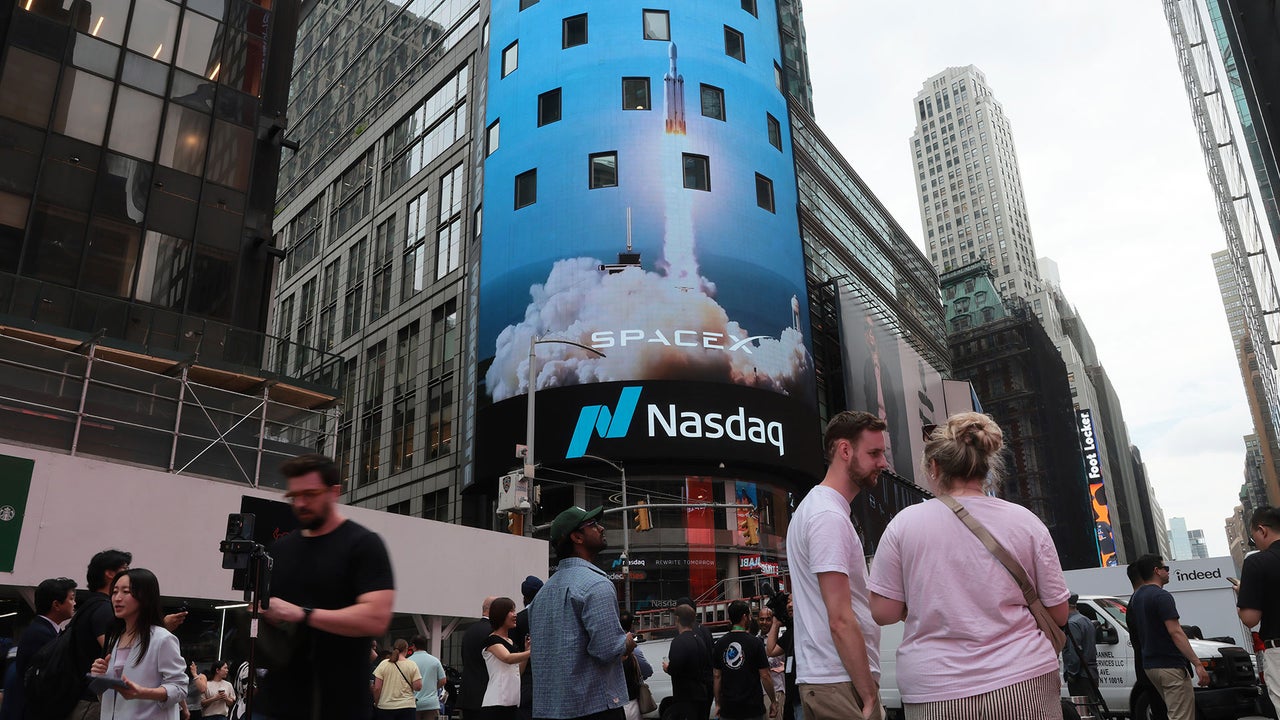
SpaceX stock, trading under Nasdaq ticker SPCX, fell below its initial public offering (IPO) price of $135 per share this week, reaching $132.62 in intraday trading on Wednesday. This marks a 2.2% drop and signifies that investors who purchased shares at the IPO price may begin to incur losses. The company, which transitioned from private to public on June 12, had the largest IPO in stock market history, initially raising $85.7 billion and achieving a market capitalization exceeding $2 trillion. Currently, its market capitalization stands at approximately $1.78 trillion.
Analysts attribute the stock's decline to several factors. One significant concern is China's successful controlled recovery of an orbital-class rocket booster, a development that suggests increased competition in reusable rocket technology, potentially challenging SpaceX's industry dominance. Furthermore, investors are reportedly trimming their positions in SpaceX due to concerns about future stock supply. The expiration of lockup periods for early investors could lead to increased selling pressure on shares, as reported by The New York Times.
Broader market conditions are also impacting SpaceX's stock performance. Uncertainty surrounding the Federal Reserve's interest-rate trajectory and growing questions about the sustainability of the rally in AI-linked stocks are contributing to a general market headwind. These macroeconomic factors, combined with specific industry developments and investor sentiment regarding stock supply, have collectively weighed down SpaceX's share price in the weeks following its highly anticipated public debut.
Original source — read the full reporting at the publisher:
Read on Fast CompanyGet the weekly AI digest
AI news + new model releases, weekly. Drafted by our agents, reviewed by humans.