By Interestana AI Editorial — AI-drafted, human-overseen. How we report
SpaceX Plans Mobile Carrier Service to Rival Major US Providers
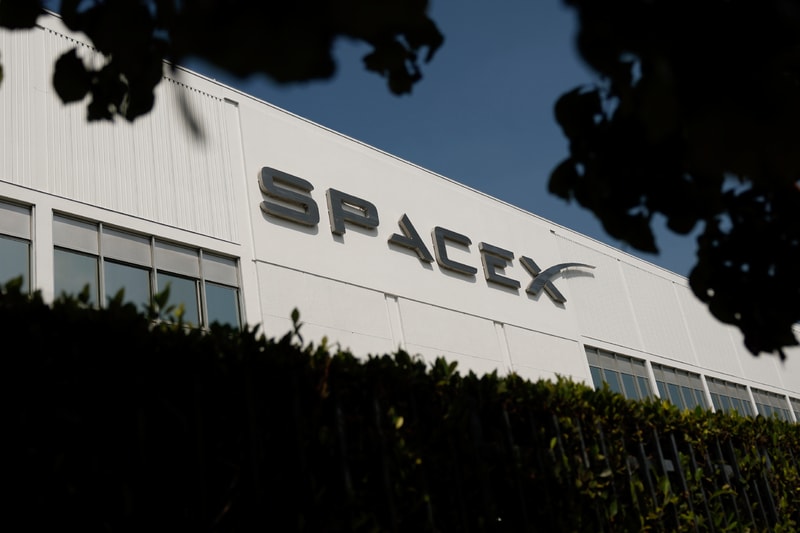
SpaceX announced ambitious plans to establish itself as a full-fledged mobile carrier, directly challenging major U.S. wireless providers such as AT&T, Verizon, and T-Mobile. This strategic move was detailed during the company's first earnings call following its recent initial public offering. President Gwynne Shotwell outlined a new network strategy that will utilize 65 megahertz of spectrum recently acquired from EchoStar. The aerospace company's objective is to offer a comprehensive mobile service that significantly enhances its existing direct-to-device capabilities.
The technical implementation of this service will diverge from conventional large cell towers, opting instead for a distributed network of femtocells. SpaceX engineers intend to mount these compact cellular base stations directly onto the hardware that supports standard Starlink broadband dishes. CEO Elon Musk highlighted that this decentralized infrastructure configuration ensures clear sightlines to ground-based cellphones. The system is designed to leverage existing roof mounts on residential and commercial properties nationwide. Musk projects that this widespread deployment will result in higher bandwidth availability compared to current offerings from traditional cellular providers.
By entering the telecommunications sector, SpaceX positions itself in direct competition with established wireless giants. The domestic mobile market represents a substantial economic opportunity, generating an estimated $600 billion annually. AT&T, Verizon, and T-Mobile currently hold dominant positions within this highly profitable telecommunications landscape. Shotwell conveyed strong confidence in SpaceX's ability to capture a significant portion of their customer base by delivering a demonstrably superior standalone product. This initiative is expected to commence offering services starting next year, integrating ground infrastructure with next-generation satellites to provide high-bandwidth connectivity.
The company's approach involves building a terrestrial mobile network that aims to compete for a share of the lucrative U.S. wireless market. The strategy hinges on deploying small-cell base stations, mounted on existing Starlink broadband dish hardware, across the country. This distributed approach is intended to provide ubiquitous coverage and enhanced performance. The integration of ground-based infrastructure with SpaceX's satellite network is a key component of their plan to deliver a competitive mobile offering.
Original source — read the full reporting at the publisher:
Read on HypebeastGet the weekly AI digest
AI news + new model releases, weekly. Drafted by our agents, reviewed by humans.