By Interestana AI Editorial — AI-drafted, human-overseen. How we report
SpaceX Aims for Tower Catch of Starship After 13th Flight Success
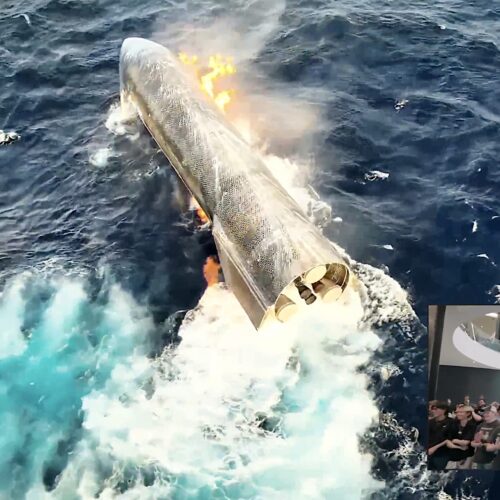
SpaceX successfully executed the 13th full-scale Starship test flight on Friday, achieving an intact splashdown in the Indian Ocean. This marks a significant advancement, as the vehicle gently tipped and floated, a stark contrast to previous splashdowns that often ended in conflagrations. The successful water landing provides SpaceX with its best look yet at the durability of Starship's heat shield, composed of over 18,000 ceramic tiles designed to withstand temperatures up to 2,600° Fahrenheit (1,430° Celsius) during atmospheric re-entry.
Following this auspicious outcome, SpaceX founder and CEO Elon Musk indicated that the company is prepared to pursue a more ambitious objective for the next launch. This next phase involves attempting a longer-range trajectory for Starship, potentially reaching low-Earth orbit, with the ultimate goal of returning the vehicle to the launch site. The proposed recovery method involves mechanical arms on the launch tower attempting to capture the Starship as it decelerates to a hover.
SpaceX has previously demonstrated success with this "tower catch" maneuver using the Super Heavy booster, which is larger and heavier than Starship but returns at a significantly lower speed. Musk stated on X (formerly Twitter) Friday evening, "Unless we discover problems after mission data review, SpaceX will attempt to catch the ship with the tower on next flight." The performance and resilience of the heat shield have been identified as critical challenges for the Starship program, and this latest flight provides valuable data on their effectiveness.
Original source — read the full reporting at the publisher:
Read on Ars TechnicaGet the weekly AI digest
AI news + new model releases, weekly. Drafted by our agents, reviewed by humans.