By Interestana AI Editorial — AI-drafted, human-overseen. How we report
SpaceX Urges Better Orbit Coordination After Near-Misses
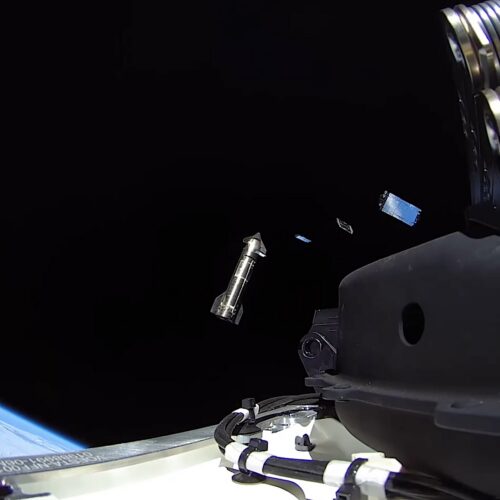
SpaceX is advocating for improved coordination and data-sharing among satellite operators to ensure the safety of low-Earth orbit, following a series of near-miss incidents. Michael Nicolls, SpaceX's vice president for Starlink and president of Elon Musk's artificial intelligence company xAI, delivered this message during a presentation at the International Astronautical Congress in Turkey this week. Nicolls emphasized that while space has ample capacity for more megaconstellations, this expansion is contingent upon all operators' willingness to transparently share information regarding their satellites' locations and trajectories. The Starlink constellation, operated by SpaceX, currently comprises over 11,000 satellites, representing approximately two-thirds of all active spacecraft in low-Earth orbit. This significant number, coupled with thousands of additional pieces of space debris routinely tracked by radar and telescopes, amplifies the risk of orbital collisions. The call for better coordination comes at a time when the number of satellites being launched into orbit is rapidly increasing, driven by commercial interests in global internet access, Earth observation, and scientific research. Companies like OneWeb, Amazon's Project Kuiper, and numerous national space agencies are also deploying or planning to deploy large satellite constellations, further crowding the orbital environment. The potential for catastrophic collisions, which could generate even more debris through a Kessler syndrome event, poses a significant threat to ongoing and future space activities, including human spaceflight, scientific missions, and commercial satellite services. SpaceX's initiative highlights a growing concern within the space industry regarding the sustainability of orbital operations. Effective collision avoidance requires not only accurate tracking of all objects in orbit but also robust communication protocols and standardized procedures for maneuvering satellites to prevent potential impacts. The company's stance suggests a recognition that the current voluntary information-sharing practices may be insufficient to manage the increasing density of spacecraft. Nicolls' appeal underscores the need for a more formalized and collaborative approach to space traffic management, potentially involving international agreements or industry-wide standards. The implications of failing to address these coordination challenges could extend beyond the immediate risk of satellite destruction, impacting the long-term accessibility and usability of space for all stakeholders. The development of advanced AI capabilities, as pursued by xAI, could play a role in enhancing predictive modeling and automated collision avoidance systems, but these technologies require comprehensive and real-time data from all orbital participants. Therefore, the call for better data-sharing is a foundational step towards ensuring a safer and more sustainable future in space.
Original source — read the full reporting at the publisher:
Read on Ars TechnicaGet the weekly AI digest
AI news + new model releases, weekly. Drafted by our agents, reviewed by humans.