By Interestana AI Editorial — AI-drafted, human-overseen. How we report
South Korea's Kospi Index Tumbles Amidst AI Chip Sector Jitters, SK Hynix and Samsung Lead Declines
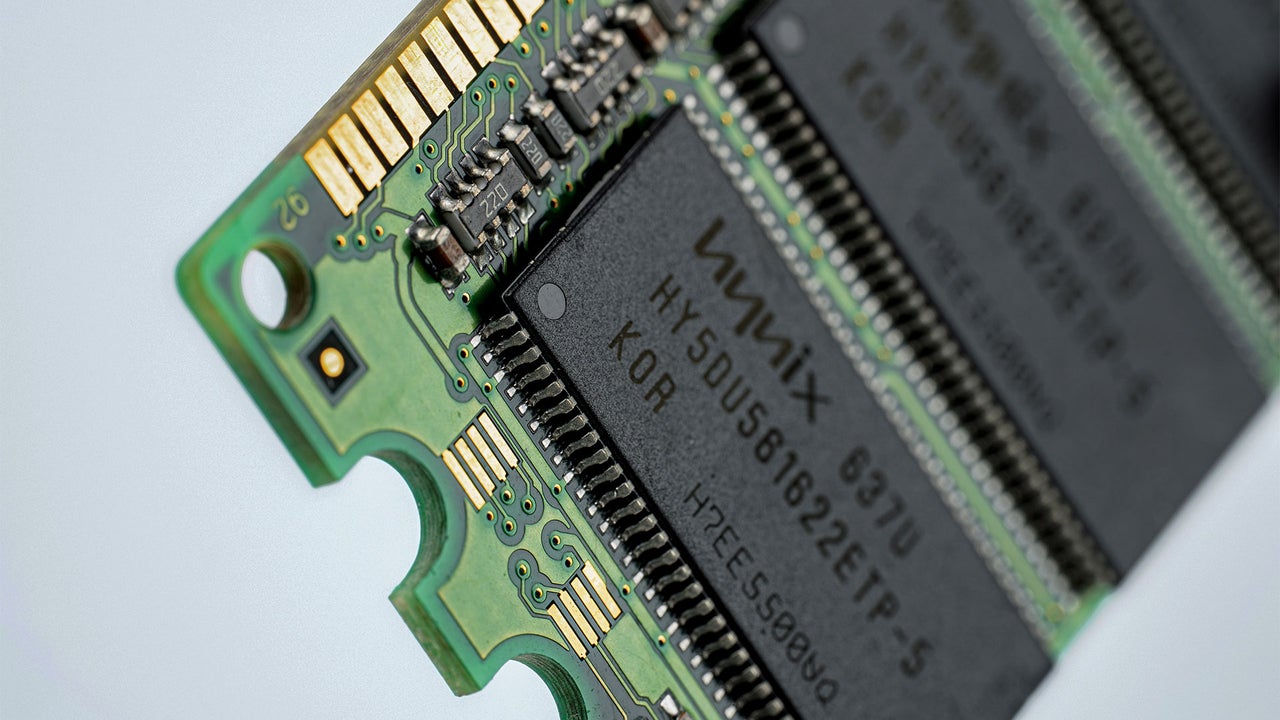
South Korea's benchmark Kospi stock index has experienced a sharp and sustained decline, with a further 6% drop on Wednesday bringing the total fall to over 32% in the last month alone. This significant downturn is largely driven by mounting investor nervousness surrounding the artificial intelligence (AI) sector and its implications for the semiconductor industry. The primary drivers of this apprehension are two of the Kospi Index's largest constituents: SK Hynix Inc. (KSE: 000660.KS) and Samsung Electronics Co., Ltd. (KSE: 005930.KS), both leading global chip manufacturers.
SK Hynix, a company particularly renowned for its production of high-bandwidth memory (HBM) chips, which are critical components for the advanced computing required by AI applications, saw its shares close down more than 9.6% on Wednesday. The stock experienced an even more dramatic intraday fall of over 19%. Over the preceding month, SK Hynix's stock value has depreciated by more than 45%. This steep decline was exacerbated by the company's recent second-quarter financial results, which failed to meet analyst expectations. SK Hynix reported revenue of 79.32 trillion won ($54.64 billion), representing a substantial 51% jump from the previous quarter. However, this figure fell short of the consensus estimates, which had predicted 84 trillion won ($57.86 billion). Furthermore, its reported operating profit of 60.54 trillion won ($41.70 billion) also came in lower than the anticipated 64 trillion won ($44.10 billion), signaling potential headwinds.
Samsung Electronics, a diversified technology conglomerate and another titan in the global semiconductor market, has also been under significant investor pressure. Its shares fell more than 5.2% by the close of trading on Wednesday, contributing to a decline of over 35% in its stock price over the past month. The concerns plaguing SK Hynix and Samsung are not isolated incidents. The broader semiconductor market, particularly companies heavily involved in AI hardware, has also faced a challenging trading period. Nvidia Corporation (Nasdaq: NVDA), a dominant force in the AI graphics processing unit (GPU) market, saw its shares drop 7.1% over the preceding five days. Similarly, Micron Technology, a key supplier of various memory chips essential for computing systems, experienced a more substantial decline of 14.48% in its share price during the same five-day period. These widespread declines reflect a growing investor apprehension regarding the sustainability of the current high levels of investment in AI infrastructure, the potential for market saturation, and the possibility of a slowdown in demand for specialized AI hardware as the industry matures.
Original source — read the full reporting at the publisher:
Read on Fast CompanyGet the weekly AI digest
AI news + new model releases, weekly. Drafted by our agents, reviewed by humans.