By Interestana AI Editorial — AI-drafted, human-overseen. How we report
South Korea President Seeks Military Independence Post-Trump Drill Cut
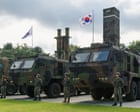
South Korea's president, Lee Jae Myung, has reiterated his nation's desire to regain independent control of its military from the United States, particularly in the event of war. This renewed push follows an order from former US President Donald Trump on Sunday night to "substantially reduce" joint military exercises with South Korea scheduled for the current week. Trump cited North Korea's perceived lack of threat and his own "very good relationship with Kim Jong-un" as reasons for this decision. The reduction in joint drills has amplified South Korea's long-standing aspiration for operational control, known as OPCON, to be fully transferred back to Seoul's hands. Lee Jae Myung also urged for accelerated progress in acquiring nuclear-powered submarines, a capability that would enhance South Korea's independent defense posture. The move by Trump to cut joint exercises has been met with concern within South Korea, with some viewing it as an "inane, haphazard decision" that could weaken the alliance. The US military presence and joint exercises have been a cornerstone of the security alliance between the two nations for decades, aimed at deterring aggression from North Korea. The call for military independence is not new for South Korea, which has been seeking full OPCON transfer for years, aiming to bolster its sovereignty and defense capabilities. However, the timing of Trump's directive, seemingly influenced by his personal diplomatic overtures towards Kim Jong-un, has brought the issue to the forefront with increased urgency. The reduction in drills also raises questions about the future of the US-South Korea alliance and its effectiveness in maintaining regional stability. South Korea's defense ministry has stated it is reviewing the implications of the US decision and will continue to maintain readiness. The push for nuclear-powered submarines is part of a broader strategy to develop a more robust and self-reliant defense capability, reducing reliance on external support in critical security scenarios. This development underscores a growing sentiment in South Korea for greater autonomy in its defense planning and execution, especially in the face of evolving geopolitical dynamics and unpredictable foreign policy shifts.
Original source — read the full reporting at the publisher:
Read on The Guardian WorldGet the weekly AI digest
AI news + new model releases, weekly. Drafted by our agents, reviewed by humans.