By Interestana AI Editorial — AI-drafted, human-overseen. How we report
SoulCycle's Cult Following Fractured by Political Stance, Revealing Fragility of Identity-Based Brand Loyalty
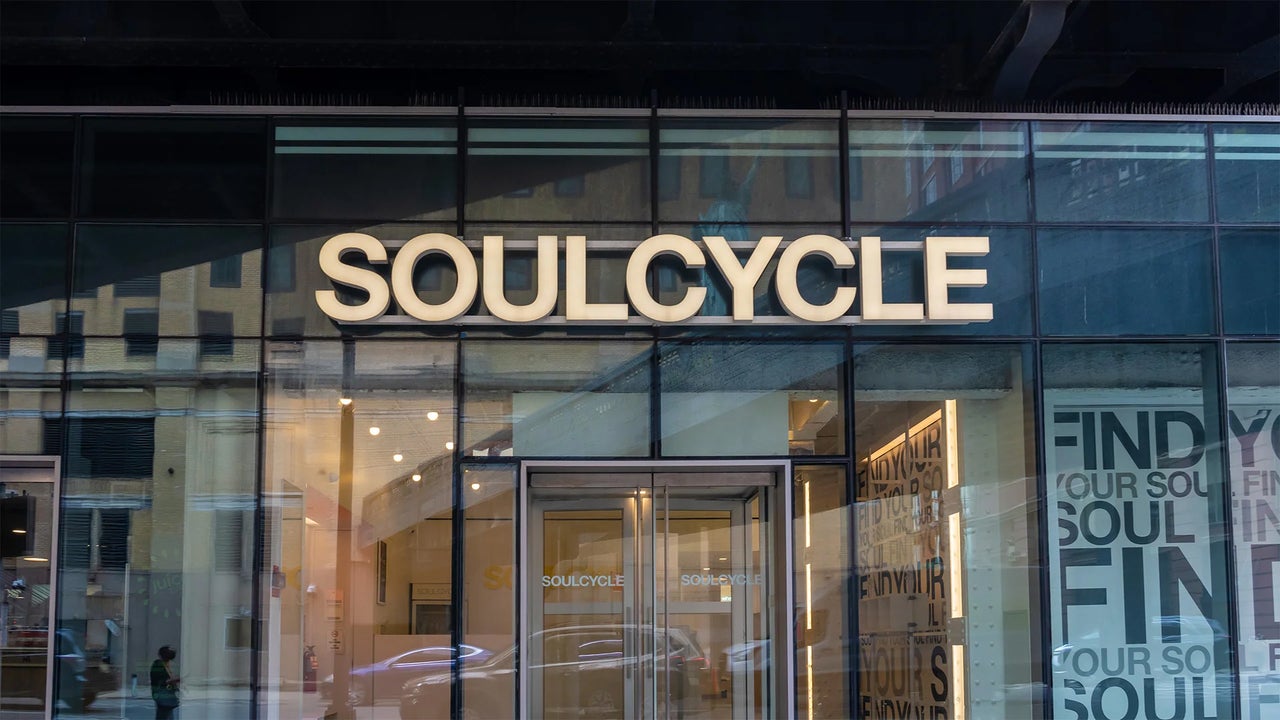
SoulCycle, a premium indoor cycling brand, cultivated an intensely loyal following by positioning itself as more than just a fitness studio; it was a platform for self-transformation and personal discovery. The brand's enduring tagline, "Take your journey. Change your body. Find your soul.," explicitly underscored this aspirational narrative, suggesting that the physical workout was merely a conduit to a deeper, more meaningful personal experience. This strategy was further elucidated by then-CEO Melanie Whelan in a 2017 interview with Marketing Daily regarding the "Find It" campaign. Whelan explained that the campaign's objective was to empower riders to "discover something, the thing that makes it meaningful to them," whether that be enhanced strength, a sense of purpose, or mental clarity. The cycling class itself was presented as the environment where this profound self-discovery could occur.
Co-founder Julie Rice corroborated this perspective, stating years later that customers were drawn to SoulCycle not primarily for the fitness benefits, but for the "connection they got in the room." This emphasis on community and emotional resonance was so potent that research conducted by a scholar at Harvard Divinity School observed individuals bringing personal, existential questions to SoulCycle instructors, akin to seeking guidance from religious figures. This phenomenon positioned SoulCycle less as a conventional fitness enterprise and more as a quasi-belief system that required participants to wear clip-in cycling shoes. The brand's success was thus built on a powerful emotional and identity-based connection with its clientele.
However, this deep-seated loyalty proved to be remarkably volatile. In 2019, SoulCycle's parent company, Equinox Group, hosted a fundraising event for Donald Trump. This political affiliation deeply alienated a significant portion of SoulCycle's customer base, many of whom had embraced the brand's perceived ethos of inclusivity and personal empowerment. The backlash was swift and severe. Within a week of the fundraiser, weekly attendance at SoulCycle classes experienced a notable decline of 7.5%. The following month, the brand reportedly suffered a loss of nearly 13% of its U.S. customer base. This substantial attrition was not a consequence of any changes to the workout regimen or the quality of instruction. Instead, it stemmed from a fundamental disconnect between the brand's narrative and its customers' deeply held personal values and self-perceptions. The incident served as a stark illustration that for brands like SoulCycle, loyalty is not merely about the product or service offered, but critically hinges on the perceived alignment between the brand's actions and the evolving self-image and beliefs of its most dedicated consumers.
Original source — read the full reporting at the publisher:
Read on Fast CompanyGet the weekly AI digest
AI news + new model releases, weekly. Drafted by our agents, reviewed by humans.