By Interestana AI Editorial — AI-drafted, human-overseen. How we report
PS5 Jailbreak Released as Sony Disputes Game Ownership
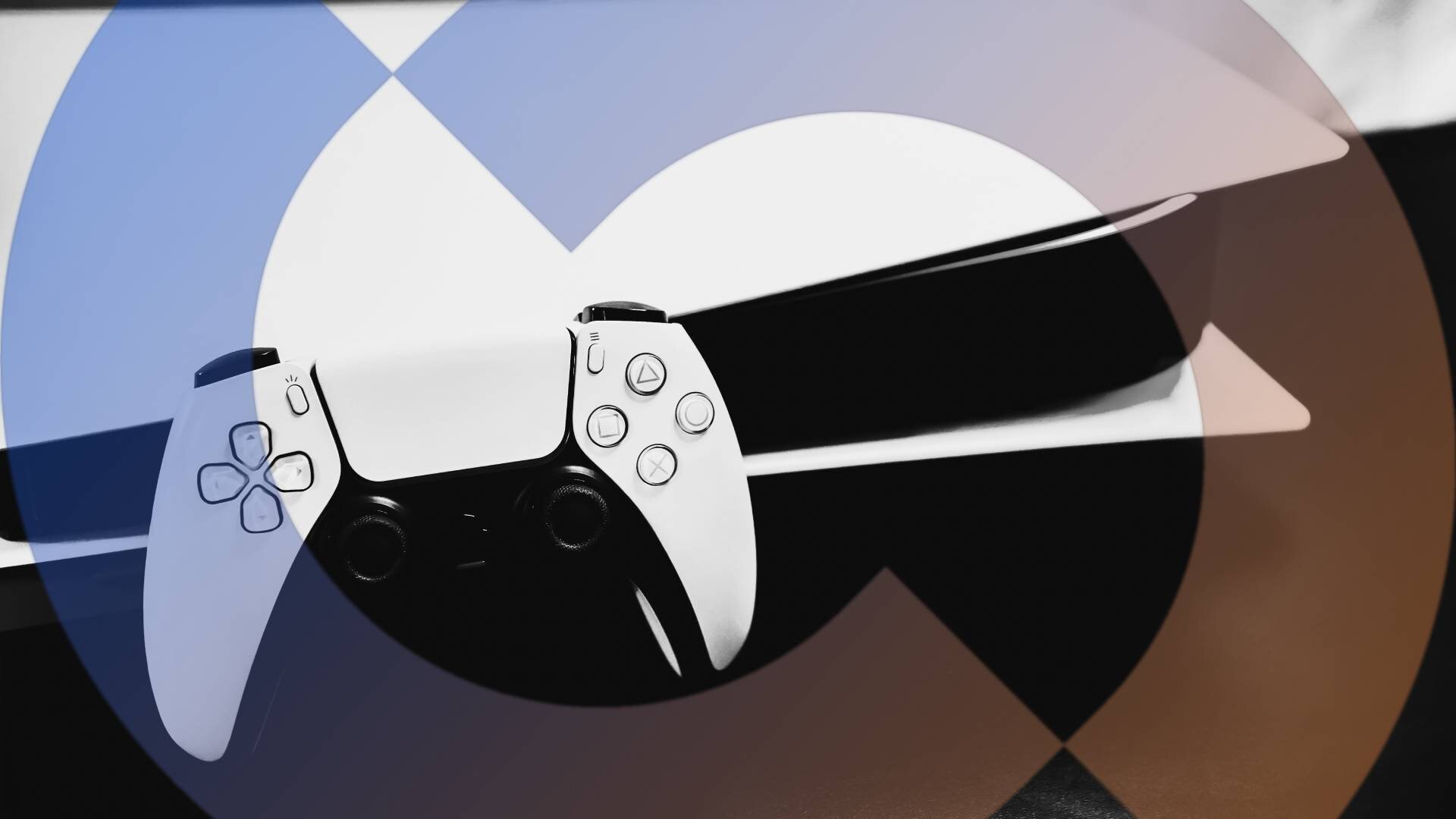
Nathan Fargo, founder of Linear Fox, released a public jailbreak for the PlayStation 5 console on an unspecified date, which he has named Relapse. This development occurred shortly after Sony Interactive Entertainment began arguing in court that players do not truly own the digital games they purchase. The jailbreak reportedly allows users to gain deeper access to the console's system, potentially enabling them to run unauthorized software or modify game experiences. The legal proceedings involving Sony's stance on digital game ownership have significant implications for the gaming industry and consumer rights. Sony's legal team has contended that when players buy digital games, they are essentially purchasing a license to play the game, not outright ownership of the software. This distinction is crucial in cases involving game preservation, resale, and the ability for users to modify or access their purchased content independently of the platform holder. The release of the Relapse jailbreak by Fargo adds another layer of complexity to this ongoing debate. Jailbreaking consoles has historically been a method for enthusiasts to explore the hardware's capabilities beyond its intended use, often leading to homebrew development or emulation. However, it also raises concerns for console manufacturers regarding security, intellectual property, and the potential for piracy. Sony has a history of actively combating console modifications and jailbreaks to protect its ecosystem and revenue streams. The company has previously implemented firmware updates and security measures to patch vulnerabilities exploited by jailbreaking tools. The effectiveness and longevity of the Relapse jailbreak will likely depend on Sony's response and its ability to patch the exploited vulnerabilities in future system software updates. The timing of the jailbreak's release, juxtaposed with Sony's legal arguments, highlights a broader tension between platform holders seeking to control their digital marketplaces and a segment of the user base advocating for greater ownership and freedom over their purchased digital goods. This situation could influence future discussions and legal precedents regarding digital ownership in the gaming sector and beyond, potentially impacting how consumers interact with and control their digital libraries across various platforms. The specific technical details of the Relapse jailbreak and the exact legal arguments made by Sony in court have not been fully detailed in the provided context, but the dual events underscore a critical juncture in the relationship between game publishers, platform holders, and consumers.
Original source — read the full reporting at the publisher:
Read on DecryptGet the weekly AI digest
AI news + new model releases, weekly. Drafted by our agents, reviewed by humans.