By Interestana AI Editorial — AI-drafted, human-overseen. How we report
Nebraska Communities See Renewable Energy Revenue Imbalance
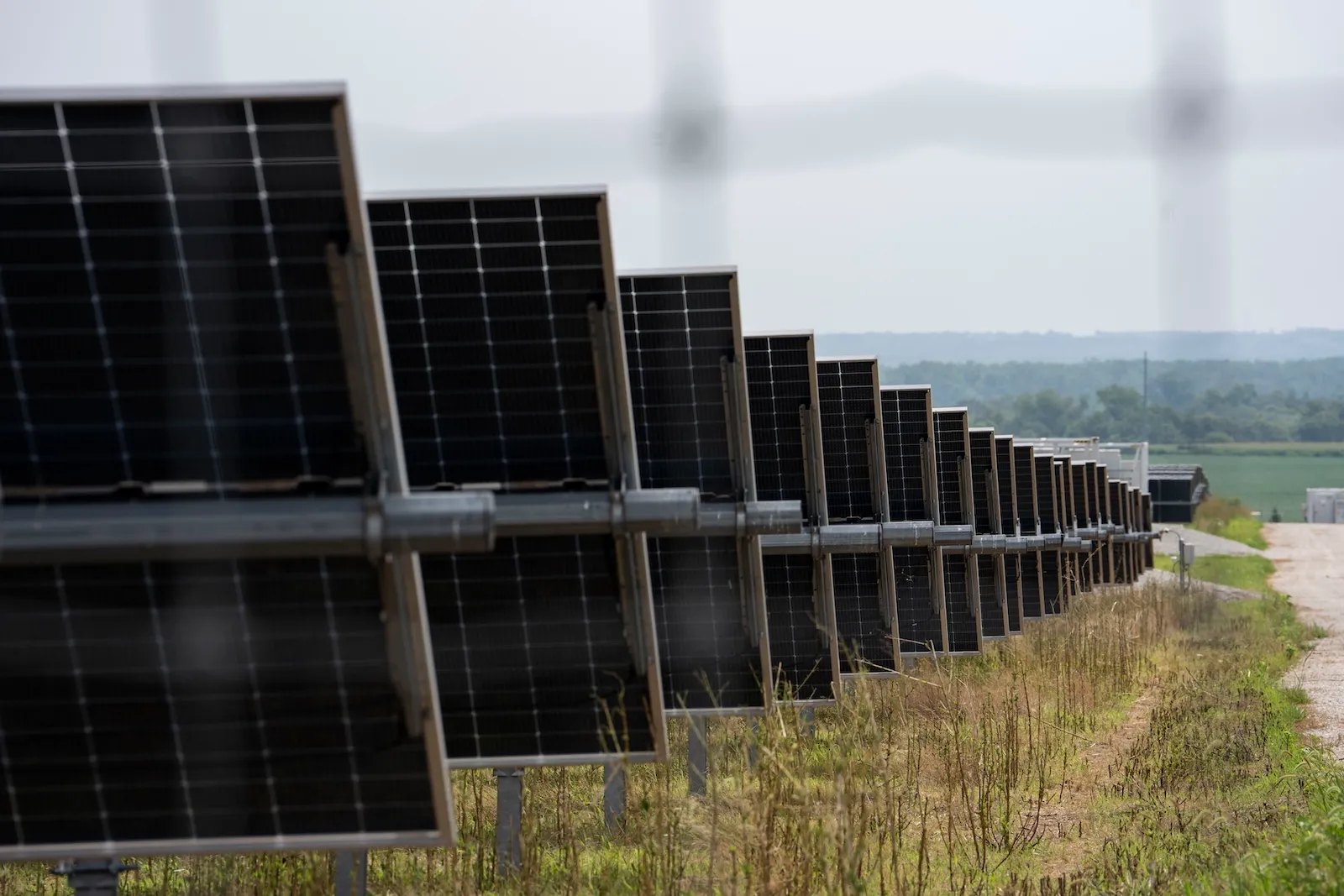
In Nebraska, the nameplate capacity tax on renewable energy developments has become a significant revenue source for some communities, enabling crucial infrastructure projects. O’Neill Public School District, for instance, utilized approximately $7.6 million in tax revenue over nine years to help fund a $13.2 million expansion of its junior-senior high school, which included new classrooms and science labs. This project, approved in 2017 after a decade of discussions, allowed the district to improve facilities without placing a substantial tax burden on its residents, according to then-superintendent Amy Shane. The tax, implemented about 15 years ago, requires qualifying renewable energy facilities to pay an annual excise tax of $3,518 per megawatt of generating capacity. This revenue is distributed to counties, which then allocate it among local entities such as county governments, community colleges, school districts, and natural resource districts. Proponents argue that these projects help diversify local revenue streams and alleviate property tax pressures. However, a growing number of Nebraska counties have introduced stringent regulations on renewable energy developments, citing concerns over property values, noise, health, safety, and fire risks. This has created a disparity in revenue distribution. Data from the Department of Revenue reveals that in 2015, only nine counties received a total of $2.03 million in nameplate capacity tax revenue, including penalties and interest. By 2025, this figure had risen to over $13.6 million distributed to communities. Despite this increase, more than 88 percent of this revenue was concentrated in just 10 of Nebraska's 93 counties. This imbalance highlights how differing local regulatory approaches significantly impact the economic benefits derived from renewable energy projects across the state. The disparity suggests that while the renewable energy tax mechanism has the potential to benefit many communities, its actual impact is heavily influenced by local policy decisions and the presence of renewable energy infrastructure. The initial intent of the tax was to provide a consistent revenue stream to support local services and infrastructure, but its uneven distribution raises questions about equitable development and the long-term economic sustainability of communities that are not attracting or are actively restricting renewable energy projects.
Original source — read the full reporting at the publisher:
Read on GristGet the weekly AI digest
AI news + new model releases, weekly. Drafted by our agents, reviewed by humans.