By Interestana AI Editorial — AI-drafted, human-overseen. How we report
Solana Validators Consider 10x Increase in SOL Burns
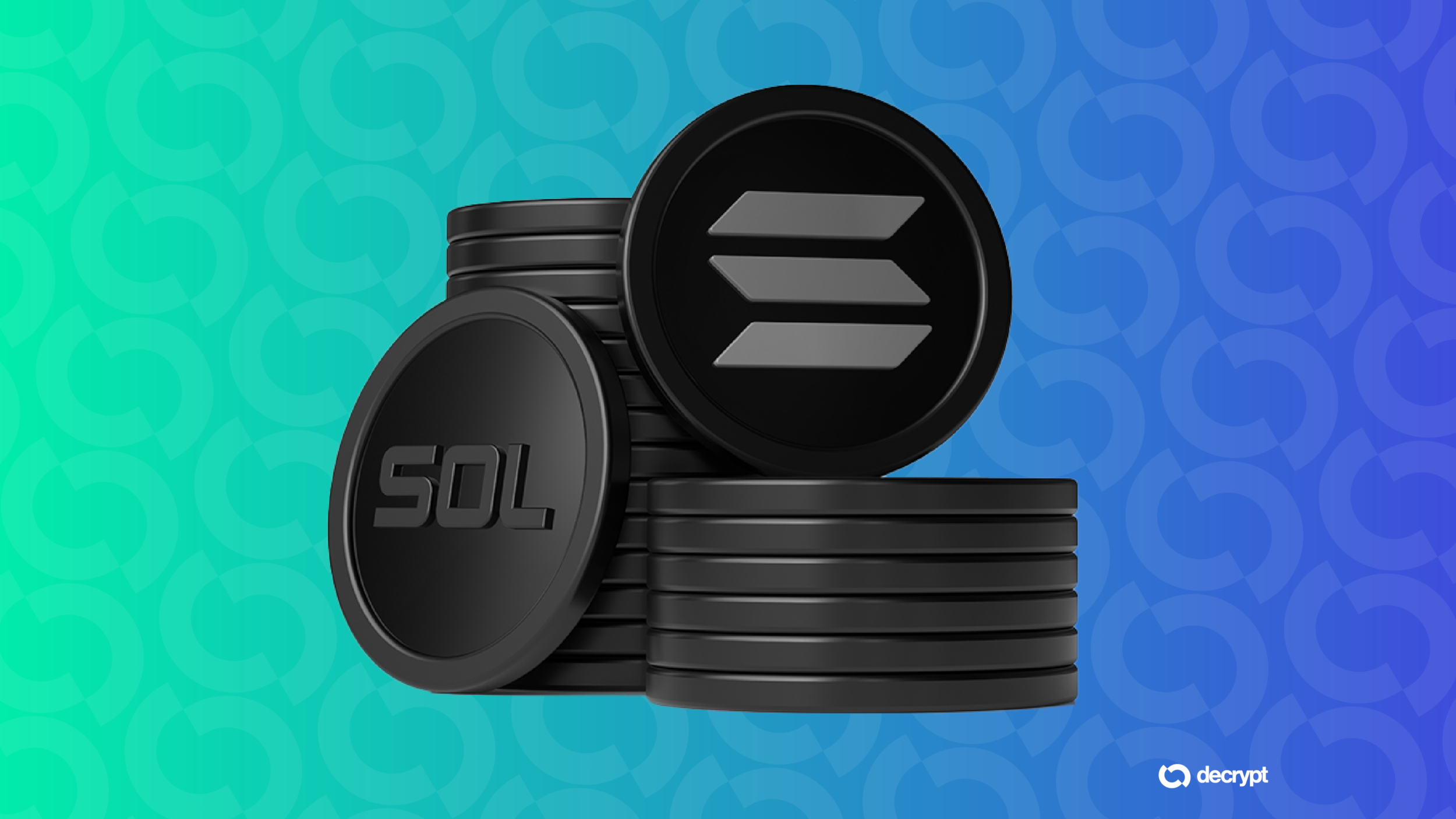
Solana validators are currently deliberating a significant proposal that could dramatically alter the tokenomics of the Solana blockchain by increasing the daily burn rate of its native cryptocurrency, SOL, by more than tenfold. This proposed change aims to permanently remove a substantially larger quantity of SOL from circulation, thereby reducing the overall supply and potentially impacting its value. The proposal also includes provisions for reducing the rate at which new SOL tokens are issued, further contributing to a deflationary pressure on the cryptocurrency.
The current Solana protocol operates with a fixed inflation rate, meaning a set percentage of SOL is minted and distributed to validators as rewards for securing the network. Concurrently, a portion of transaction fees is burned, or permanently removed from circulation. The proposed upgrade, if adopted, would significantly amplify the burn mechanism. While the exact figures are still under discussion among validators, preliminary estimates suggest the daily burn could increase from approximately 1,000 SOL to over 10,000 SOL. This substantial increase in token destruction is intended to counteract the inflationary pressure of new token issuance, moving the network closer to a deflationary state.
This initiative reflects a broader trend within the cryptocurrency space, where various blockchain networks are exploring mechanisms to manage supply and enhance token value through burning. For Solana, a network known for its high transaction throughput and low fees, increasing the burn rate could be seen as a strategic move to make SOL a more attractive asset. The rationale behind such proposals often centers on the principle that scarcity can drive demand and, consequently, price appreciation. By reducing the circulating supply more aggressively, the network aims to create a more favorable economic environment for SOL holders.
The decision to implement this change rests with the Solana validators, who are the entities responsible for validating transactions and maintaining the integrity of the blockchain. Their consensus is crucial for any network-wide upgrade. The ongoing discussions highlight the dynamic nature of blockchain governance, where community participants actively engage in shaping the future of their respective ecosystems. The outcome of this vote will be closely watched by investors and developers alike, as it could signal a new phase in Solana's economic model and its competitive positioning within the cryptocurrency market.
Original source — read the full reporting at the publisher:
Read on DecryptGet the weekly AI digest
AI news + new model releases, weekly. Drafted by our agents, reviewed by humans.