By Interestana AI Editorial — AI-drafted, human-overseen. How we report
Russia's Eagle Spacecraft Faces Persistent Delays
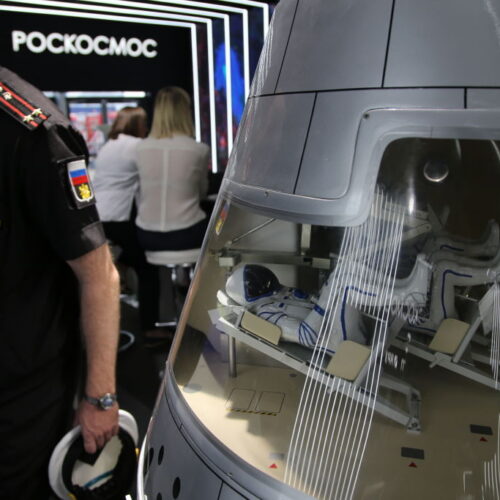
Russia's ambitious project to develop a new crewed spacecraft, now known as Orel (or Oryol), has been in development for nearly two decades, facing numerous name changes and persistent delays. The initiative began approximately twenty years ago with discussions between Russia and the European Space Agency (ESA) for collaboration on a next-generation crewed spacecraft. Under the initial agreement, Europe was slated to provide a service module to power a crew capsule designed to carry up to six passengers. However, ESA ultimately opted not to proceed with a crewed spacecraft project at that time. Consequently, Russia's state-backed space corporation, Roscosmos, decided to pursue the development of its own crewed spacecraft independently.
Over the years, the project has undergone several transformations and name changes, reflecting its evolving conceptualization and the shifting priorities within Roscosmos. The initial conceptual project name used around 2009 was PPTS, which stands for Perspektivnaya Pilotiruemaya Transportnaya Sistema, translating to Prospective Piloted Transport System. By 2016, the official technical designation had changed to PTK NP, meaning Pilotiruyemy Transportny Korabl Novogo Pokoleniya, or New Generation Piloted Transport Ship. Following a public contest, the spacecraft was officially named Federatsiya in January 2016. However, in September 2019, under the leadership of Dmitry Rogozin, Roscosmos adopted a new name for the project: Orel, which translates to Eagle.
Despite these numerous name changes and the proliferation of renderings and conceptual designs, the actual progress on the Orel spacecraft hardware has been a subject of considerable skepticism. The project has been characterized by some observers as more of a "Potemkin village" than a tangible effort involving substantial hardware development. The extended timeline and the frequent rebranding suggest significant challenges in bringing the spacecraft to fruition. The initial collaboration with ESA was intended to leverage European expertise in service module technology, a component crucial for powering the crew capsule. Without this international partnership, Roscosmos has been tasked with developing all critical systems domestically, a task that has proven to be more complex and time-consuming than initially anticipated.
The delays and the lack of concrete hardware demonstrations have raised questions about the project's viability and its future in Russia's space program. The Orel spacecraft is intended to replace the aging Soyuz spacecraft, which has been a workhorse for crewed missions for decades. The development of a modern, capable crewed spacecraft is essential for Russia to maintain its independent human spaceflight capabilities and to participate in future international space endeavors. However, the protracted development cycle of the Orel project suggests that its operational debut may still be a considerable distance away, leaving Russia reliant on its existing, albeit aging, fleet for crewed missions.
Original source — read the full reporting at the publisher:
Read on Ars TechnicaGet the weekly AI digest
AI news + new model releases, weekly. Drafted by our agents, reviewed by humans.