By Interestana AI Editorial — AI-drafted, human-overseen. How we report
US Power Plants: 368 Utility-Scale Facilities Online in H1 2024
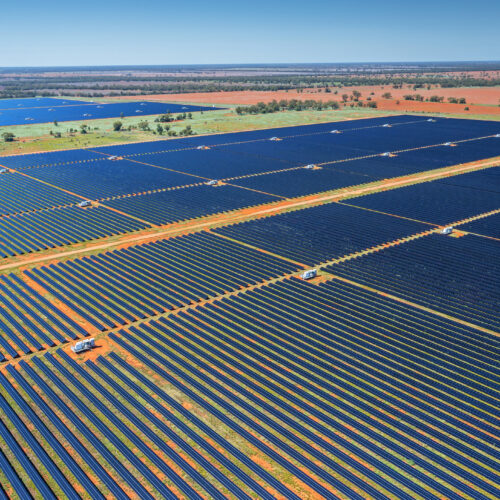
The United States power sector experienced significant activity in the first half of 2024, marked by the commencement of operation for 368 utility-scale power plants between January and June. This data, compiled by the US Energy Information Administration (EIA), provides a concrete measure of the sector's expansion during a period of dynamic change, which also included announcements of large natural gas facilities and the realization of long-anticipated renewable energy projects. The overwhelming majority of these newly operational plants are utility-scale solar facilities, underscoring the accelerating growth of solar power generation across the nation. This surge in solar capacity is a key development in the ongoing transition of the US energy landscape towards cleaner sources.
Leading the list of new power generation sites are the SunZia Wind South and SunZia Wind North projects located in New Mexico. These two wind farms, which became operational in the spring of 2024, represent the largest wind farms in the United States. Collectively, they possess a combined generating capacity of 3,650 megawatts (MW). The development of the SunZia project has been a decade-long endeavor, and its completion arrives at a critical juncture for onshore wind power in the US. This sector has faced considerable headwinds in recent years, with development being hampered by a complex interplay of regulatory challenges and evolving public opinion, making the successful launch of such a substantial wind project particularly noteworthy.
While the EIA data focuses on operational plants, it reflects broader trends in energy infrastructure development. The dominance of solar power in the first half of 2024 aligns with national and global efforts to decarbonize the energy supply and combat climate change. Utility-scale solar projects, often involving vast arrays of photovoltaic panels, are becoming increasingly cost-competitive and are being deployed at an unprecedented pace. The EIA's detailed tracking of these installations provides crucial insights for policymakers, industry stakeholders, and researchers assessing the pace and direction of the energy transition. The data allows for granular analysis of regional deployment patterns, technological adoption, and the overall contribution of new capacity to the national grid.
The inclusion of the SunZia wind farms, despite the overall dominance of solar, highlights the continued importance of wind energy in the renewable portfolio. The challenges faced by wind development, as noted by the EIA's data context, suggest that overcoming regulatory hurdles and fostering public acceptance remain critical factors for future growth in this sector. The sheer scale of the SunZia project, at 3,650 MW, demonstrates that large-scale wind developments are still feasible and can contribute significantly to the nation's clean energy goals when these obstacles are navigated successfully. The EIA's comprehensive reporting on these 368 new plants offers a vital snapshot of the evolving US power generation landscape.
Original source — read the full reporting at the publisher:
Read on Ars TechnicaGet the weekly AI digest
AI news + new model releases, weekly. Drafted by our agents, reviewed by humans.