By Interestana AI Editorial — AI-drafted, human-overseen. How we report
Nintendo GameCube: A Quarter-Century of Fond Recollections for a 'Flop' That Became a Cult Classic
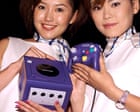
This week marks the 25th anniversary of the Nintendo GameCube, a console that, despite initial commercial underperformance and even mockery, has since been embraced with "misty-eyed reverence" by a dedicated fanbase. Launched in Japan on September 14, 2001, and later in Europe in May 2002, the GameCube was Nintendo's entry into the sixth generation of video game consoles, a period dominated by Sony's PlayStation 2 and Microsoft's newly launched Xbox. For many, including the author, it represented a significant personal milestone – the first console purchased with their own hard-earned savings, a testament to the console's appeal beyond pure commercial metrics. The author recounts a vivid memory of using a year's worth of savings, supplemented by expired Christmas vouchers, to secure their pre-order at a Currys store, highlighting the personal connection many felt with the device.
The GameCube's distinctive design, a compact, purple cube with an unconventional controller featuring a prominent green 'A' button and smaller analog sticks, was often a point of contention. Its squat, colorful form and the controller's layout led some to liken it to a child's toy, a perception that perhaps overshadowed its underlying power and Nintendo's commitment to innovation. This aesthetic, combined with its sales figures, which fell short of both the PlayStation 2 and the Xbox, led to its categorization as a commercial disappointment for Nintendo. It is often mentioned in the same breath as the infamous Virtual Boy from 1995, another Nintendo product that failed to capture the market. However, the narrative surrounding the GameCube has significantly shifted over time. Its commercial struggles are often contextualized by the subsequent, more profound failure of the Wii U in 2012, which resulted in Nintendo's first unprofitable periods in its history. In contrast, the GameCube, while not a sales titan, cultivated a rich library of exclusive titles and unique gaming experiences that continue to be celebrated. Games like "Super Mario Sunshine," "The Legend of Zelda: The Wind Waker," and "Metroid Prime" showcased the console's capabilities and Nintendo's signature creativity. The console's enduring appeal is a testament to the quality of its games and the memorable user experience it offered, proving that commercial success is not the sole determinant of a console's lasting impact or cultural significance. Its unique identity and the strong emotional bonds it forged with players have cemented its status as a beloved, albeit unconventional, chapter in Nintendo's storied history.
Original source — read the full reporting at the publisher:
Read on The Guardian CultureGet the weekly AI digest
AI news + new model releases, weekly. Drafted by our agents, reviewed by humans.