By Interestana AI Editorial — AI-drafted, human-overseen. How we report
Iran to Bar Military Ships From Hormuz Under Oman Deal
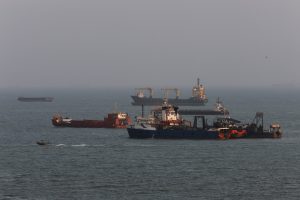
Iran has indicated that military vessels will be prohibited from transiting the Strait of Hormuz as part of an agreement currently being negotiated with Oman. Kazem Gharibabadi, Iran's Deputy Foreign Minister, informed state TV late on Tuesday night that if the understanding between the two nations becomes binding, "no military vessel at all" will be permitted passage through the vital waterway. This development comes nearly six months after the commencement of the "Iran war," during which the Strait of Hormuz has remained largely shut down. The proposed framework for managing ship traffic, as described by Gharibabadi, would route traffic entering the Persian Gulf from the Gulf of Oman entirely through Iranian waters. The outbound route, however, would traverse both Iranian and Omani territorial waters. This evolving deal has reportedly faced opposition from the Trump administration, which has expressed concerns regarding the joint Iranian and Omani management of the exit route. The Strait of Hormuz is a critical chokepoint for global oil and natural gas supplies, making any disruption or alteration to its traffic management a significant geopolitical and economic concern. The "Iran war" context suggests ongoing regional instability, with officials in Thailand noting the USS Lincoln's scheduled stopover as the aircraft carrier prepares to reposition after a deployment that included support for the conflict. Concurrently, Israel's continued strikes in Gaza are testing a fragile ceasefire with Hamas, highlighting the broader volatile security landscape in the Middle East. The specifics of the military traffic exclusion were not detailed by Gharibabadi, but the emphasis on "no military vessel at all" underscores the potential scope of the restriction. The Trump administration's reported opposition and President Donald Trump's prior threat to "bomb Oman if it gets in the way" underscore the high stakes and complex diplomatic maneuvering surrounding the Strait of Hormuz and regional security. The ongoing "Iran war" has already had a substantial impact on global shipping and energy markets, and further restrictions or tensions in this critical waterway could exacerbate these challenges. The agreement with Oman, if finalized, represents a significant assertion of Iranian control over maritime passage through the Strait, with implications for international naval operations and commercial shipping. The exact timeline for the finalization of this understanding and its precise implications for various national navies and commercial entities remain subjects of ongoing observation and analysis within the context of the wider regional conflict.
Original source — read the full reporting at the publisher:
Read on FortuneGet the weekly AI digest
AI news + new model releases, weekly. Drafted by our agents, reviewed by humans.