By Interestana AI Editorial — AI-drafted, human-overseen. How we report
Silicon Valley's 'High Agency' Obsession Questioned
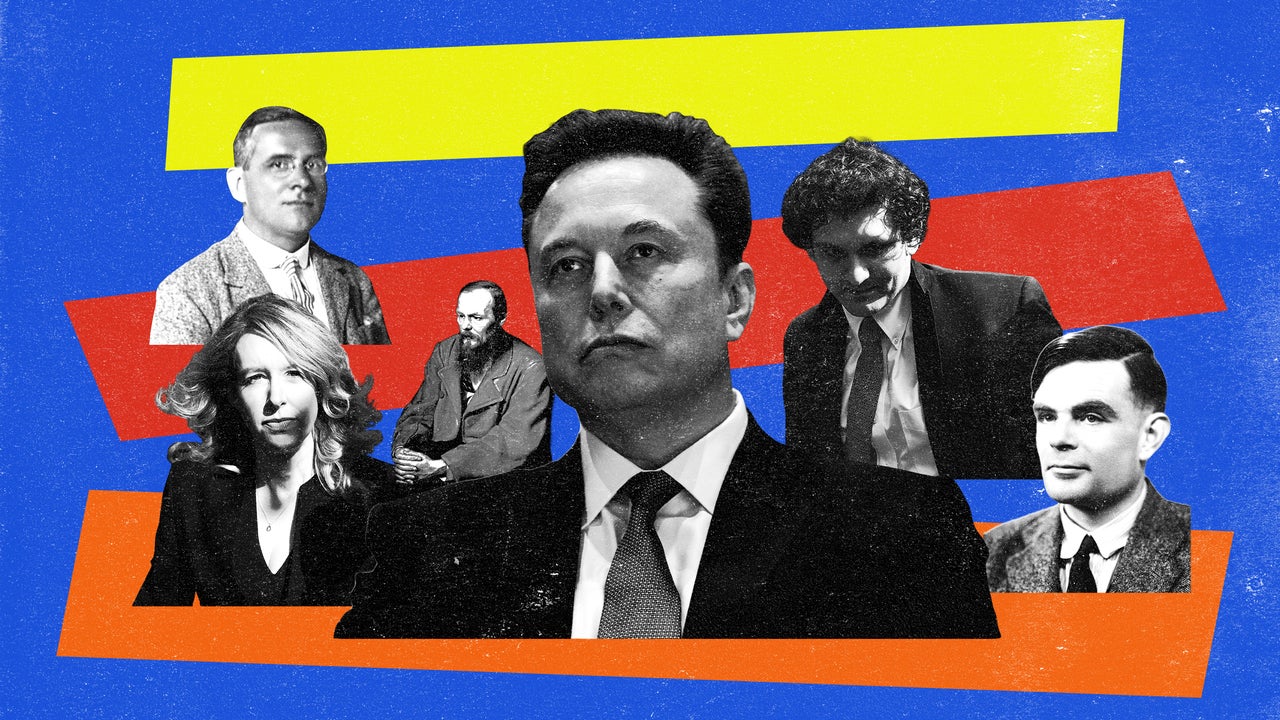
Silicon Valley pundits frequently champion the concept of "high agency," a term popularized by Eric Weinstein. Weinstein defines "high agency" as the drive to overcome obstacles and pursue goals even when told they are impossible. This trait is often exemplified by figures like Elon Musk, who achieved immense wealth, and is seen as a key differentiator for ambitious individuals.
However, the article argues that "high agency" is not inherently positive and can be a dangerous trait when not coupled with sound judgment. The piece highlights that prominent failures such as Elizabeth Holmes, founder of Theranos, and Sam Bankman-Fried, former CEO of FTX, also exhibited characteristics of "high agency." Their ambitious pursuits, despite lacking ethical or practical foundations, ultimately led to significant downfall and legal repercussions.
Furthermore, the concept extends beyond the business world, with Vladimir Putin cited as an example of "high agency" in his decision to invade Ukraine. This broad application suggests that the ability to exert power and make choices, a core component of high agency, does not guarantee positive outcomes. The author posits that the drive to act and make decisions, while seemingly powerful, can lead to detrimental consequences when not guided by wisdom or ethical considerations.
The article draws a parallel to an old Polish joke about hiring employees, where résumés were discarded based on perceived luck rather than qualifications. Similarly, the focus on "high agency" in Silicon Valley may overlook crucial factors like competence, ethics, and the potential for negative repercussions, leading to a flawed assessment of individuals and their potential impact.
Original source — read the full reporting at the publisher:
Read on Fast CompanyGet the weekly AI digest
AI news + new model releases, weekly. Drafted by our agents, reviewed by humans.