By Interestana AI Editorial — AI-drafted, human-overseen. How we report
Clarity Act Draft May Drop This Week
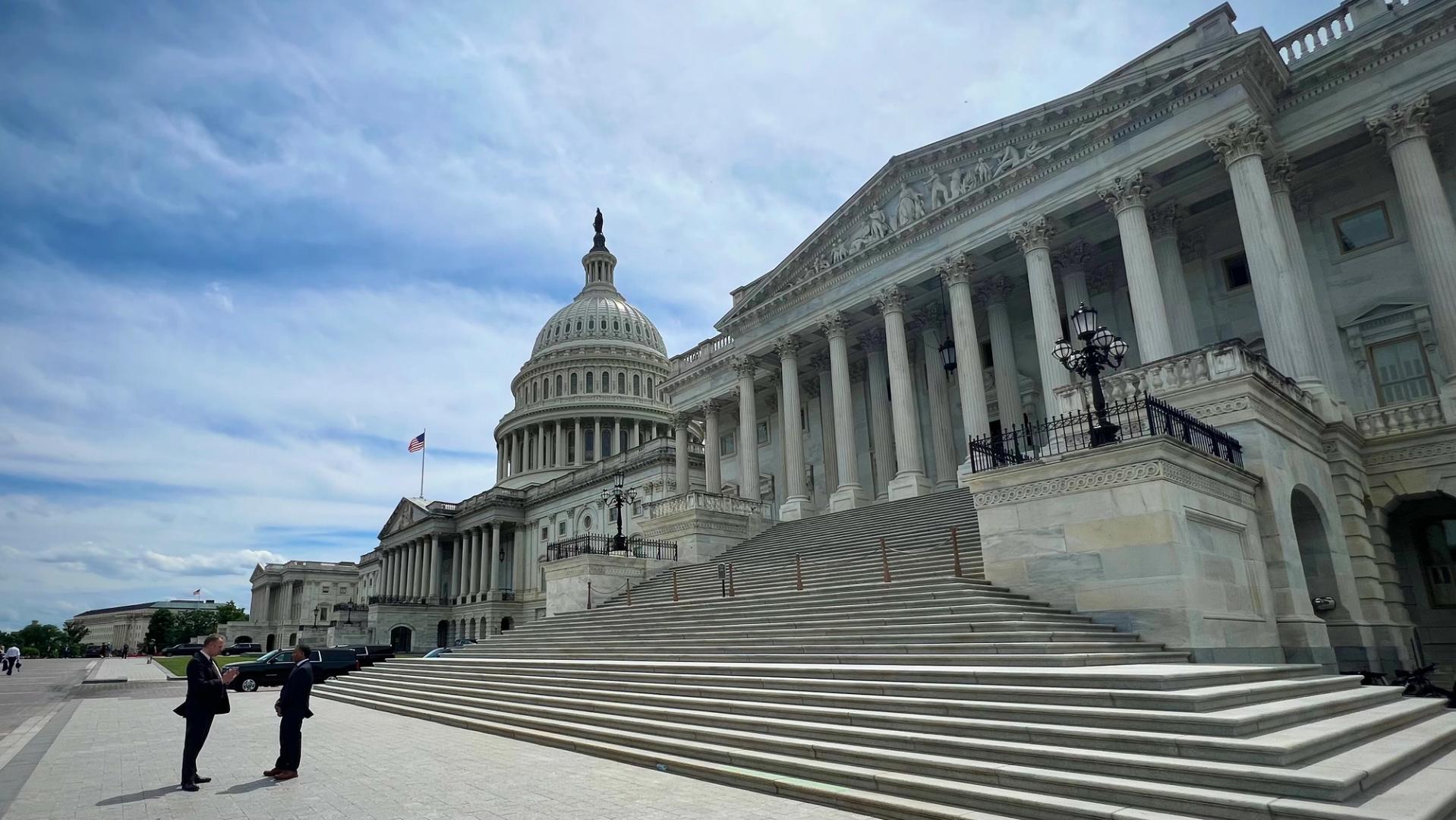
A new draft of the Clarity Act, a key piece of legislation concerning cryptocurrency regulation, is anticipated to be released this week, according to multiple sources speaking with CoinDesk. The bill aims to provide a clearer framework for digital assets within the United States, addressing long-standing ambiguities in how existing financial laws apply to the crypto industry. However, the path to its introduction and potential passage remains fraught with challenges, as significant disagreements persist among lawmakers and stakeholders.
The Clarity Act has been a subject of intense debate for months, with various factions advocating for different approaches to regulating digital currencies. Proponents argue that clear rules are essential for fostering innovation and protecting investors, while critics express concerns about potential stifling of the market or inadequate consumer safeguards. The specific details of the latest draft are not yet public, but previous iterations have touched upon areas such as the definition of securities, the responsibilities of crypto exchanges, and the tax treatment of digital assets.
Sources indicate that the legislative process has been complex, involving negotiations between different committees and a wide array of industry participants. The timing of the draft's release is contingent on reaching a consensus on several contentious points. The potential impact of this legislation on the broader cryptocurrency market, including major digital assets like Bitcoin and Ethereum, is significant, as it could shape the future of crypto adoption and development in the U.S. The ongoing discussions highlight the difficulty in crafting comprehensive regulations for a rapidly evolving technological and financial landscape.
Original source — read the full reporting at the publisher:
Read on CoinDeskGet the weekly AI digest
AI news + new model releases, weekly. Drafted by our agents, reviewed by humans.