By Interestana AI Editorial — AI-drafted, human-overseen. How we report
UK House Sparrow Populations Show Signs of Comeback
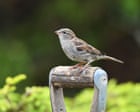
House sparrow populations in the United Kingdom are exhibiting early signs of stabilization, marking a potential turning point after decades of steep decline. This stabilization offers a glimmer of hope for a species that has experienced a dramatic loss of approximately 30 million individuals across Britain's rural and urban landscapes during the lifetime of many observers. The house sparrow, once a ubiquitous sight in fields, hedgerows, and gardens, had become notably scarce by the late 1990s, leading to widespread concern about its future. The sheer scale of this population drop, estimated at 30 million birds, underscores the severity of the conservation challenge.
While the current stabilization is a positive development, experts emphasize that substantial work remains to be done to fully reverse the historical losses and ensure the long-term recovery of the species. The reasons behind the initial decline are multifaceted and have been the subject of extensive research and debate within the ecological community. Factors often cited include changes in agricultural practices, such as the increased use of herbicides that reduce insect populations—a primary food source for young sparrows—and the loss of suitable nesting sites due to urban development and changes in building design. The intensification of farming methods, leading to a reduction in mixed farming and an increase in monocultures, has also been implicated in diminishing the availability of seeds and invertebrates. Furthermore, increased predation in urban environments and the impact of diseases may have contributed to the population crash.
The comeback, however tentative, is attributed to a combination of factors, including targeted conservation initiatives and potentially some natural resilience within the species. Conservation efforts have focused on creating more favorable habitats, such as providing nesting boxes and encouraging the growth of insect-rich vegetation in gardens and green spaces. Community-led initiatives, where individuals and local groups actively participate in monitoring and supporting sparrow populations, have also played a vital role. These efforts often involve planting specific types of flowers and shrubs that attract insects and provide seeds, as well as ensuring access to clean water sources. The success of these localized interventions, when aggregated across the country, may be contributing to the observed stabilization.
Despite the encouraging signs, the house sparrow's journey back from the brink is far from over. The species still faces numerous environmental pressures, and continued monitoring and adaptive conservation strategies are essential. The historical context of losing tens of millions of birds highlights the fragility of even common species and the profound impact human activities can have on biodiversity. The ongoing efforts to support house sparrows serve as a broader reminder of the importance of habitat preservation and sustainable land management practices for the health of all wildlife. The scientific community will be closely observing whether this stabilization trend continues and strengthens in the coming years, providing further evidence of successful conservation interventions.
Original source — read the full reporting at the publisher:
Read on The Guardian EnvironmentGet the weekly AI digest
AI news + new model releases, weekly. Drafted by our agents, reviewed by humans.