By Interestana AI Editorial — AI-drafted, human-overseen. How we report
Desert Rain Frog Listed as Vulnerable by IUCN
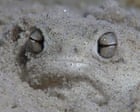
The desert rain frog, a species native to the coastal strip of south-west Africa, has been classified as vulnerable on the International Union for Conservation of Nature (IUCN) red list. This designation highlights the significant threat to its survival, primarily driven by habitat destruction linked to mining activities. The IUCN warns that without dedicated conservation efforts, the frog's population is projected to decrease by 20% over the next decade.
This amphibian possesses distinctive characteristics that enable it to thrive in an unlikely environment: the arid sand dunes of the southern African desert. Unlike typical frogs that inhabit wetlands or rainforests, the desert rain frog has a plump body and short, stout legs adapted for digging rather than jumping. Its skin is also specialized, described as blotting paper-like, to retain moisture in its dry habitat.
The IUCN's assessment underscores the vulnerability of this unique species. The organization's red list serves as a critical indicator of the state of global biodiversity, identifying species at risk of extinction. The desert rain frog's inclusion signifies that its population is facing substantial decline, necessitating immediate conservation interventions to prevent further losses and ensure its long-term survival.
Original source — read the full reporting at the publisher:
Read on The Guardian EnvironmentGet the weekly AI digest
AI news + new model releases, weekly. Drafted by our agents, reviewed by humans.