By Interestana AI Editorial — AI-drafted, human-overseen. How we report
Trump Administration Dismantles US Food Safety System
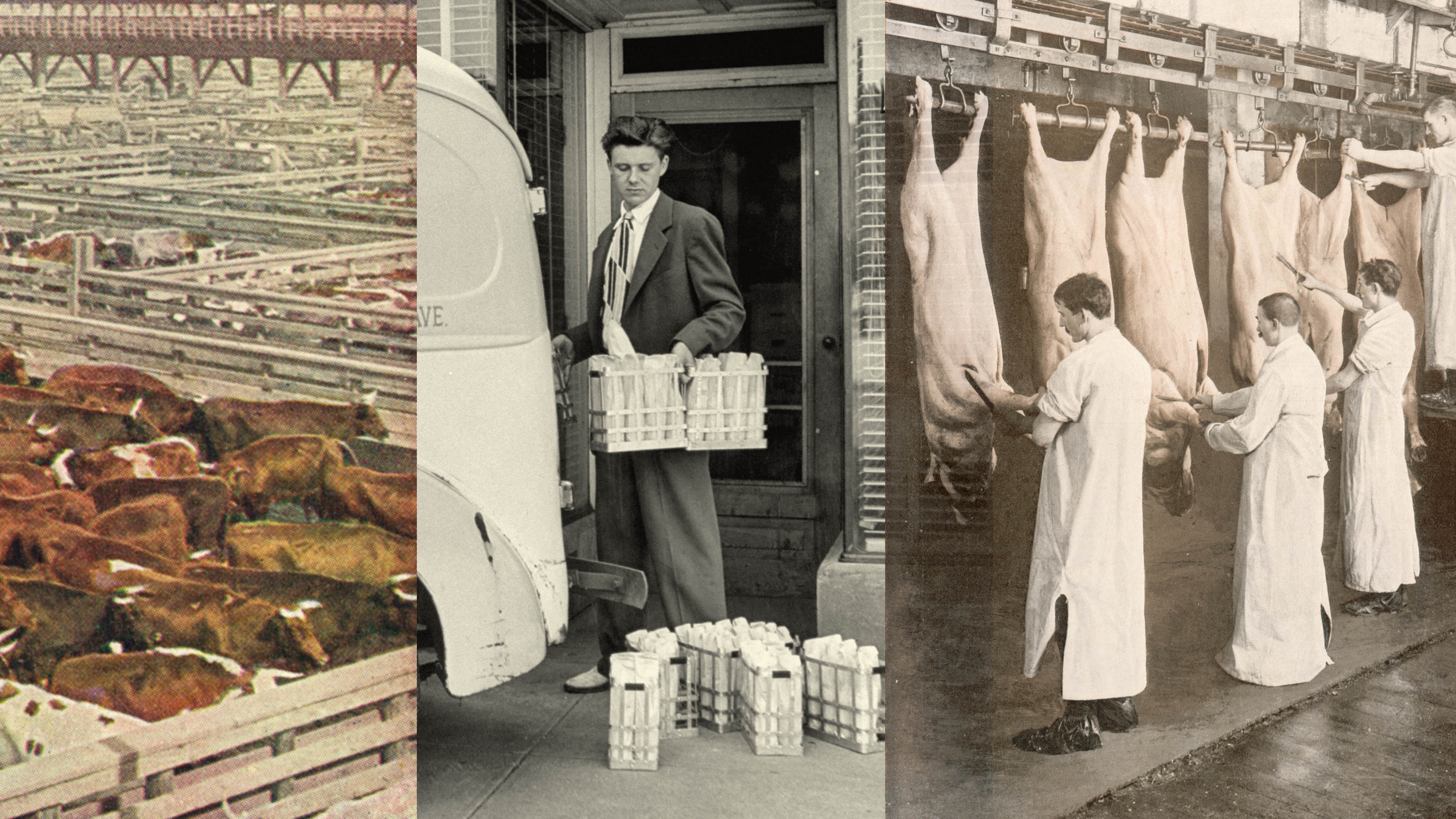
The food safety system in the United States is reportedly undergoing a significant dismantling under the Trump administration, raising alarms about public health and the integrity of food supply oversight. This process involves the erosion of established regulations and the weakening of agencies responsible for ensuring the safety of the nation's food supply. Critics argue that these actions prioritize deregulation over consumer protection, potentially leading to an increase in foodborne illnesses and a decline in the quality of food available to Americans. The administration's approach appears to favor industry interests, often at the expense of rigorous scientific standards and public health safeguards that have been developed over decades.
Key aspects of this dismantling include the reduction of inspections, the rollback of testing protocols, and the underfunding of critical food safety programs. For instance, the U.S. Food and Drug Administration (FDA) and the U.S. Department of Agriculture (USDA), the primary agencies tasked with food safety, have reportedly seen their capacities diminished. This includes a decrease in the number of food facilities inspected and a less stringent approach to enforcing existing safety standards. The administration's stated goal is often to reduce regulatory burdens on businesses, but opponents contend that these measures compromise the fundamental mission of these agencies: to protect consumers from unsafe food products. The long-term consequences of these policy shifts are a subject of significant concern among public health advocates, consumer groups, and food safety experts.
The implications of weakening the food safety system are far-reaching. A compromised system could lead to a rise in outbreaks of foodborne diseases, such as salmonella, E. coli, and listeria, which can cause severe illness, hospitalization, and even death. Furthermore, it could erode consumer confidence in the food supply, impacting the agricultural industry and international trade. The United States has historically maintained a high standard for food safety, which has been a cornerstone of its public health infrastructure. The current administration's actions are seen by many as a departure from this commitment, potentially reversing decades of progress in safeguarding the nation's food. The debate centers on the balance between economic growth and public health, with critics arguing that the administration is tipping this balance dangerously in favor of deregulation without adequate consideration for the potential risks to consumers.
This reported dismantling is not an isolated event but part of a broader pattern of deregulation across various sectors under the Trump administration. The focus on reducing government oversight and empowering market forces is a recurring theme in its policy agenda. However, when applied to food safety, these principles can have direct and immediate consequences for the health and well-being of the population. The lack of robust oversight can create an environment where manufacturers may be less incentivized to adhere to the highest safety standards, leading to a potential increase in contaminated products entering the market. The long-term impact on public health and the economy remains a critical area of concern for those monitoring the nation's food safety infrastructure.
Original source — read the full reporting at the publisher:
Read on The AtlanticGet the weekly AI digest
AI news + new model releases, weekly. Drafted by our agents, reviewed by humans.