By Interestana AI Editorial — AI-drafted, human-overseen. How we report
Haidt Warns of AI Dangers for Children
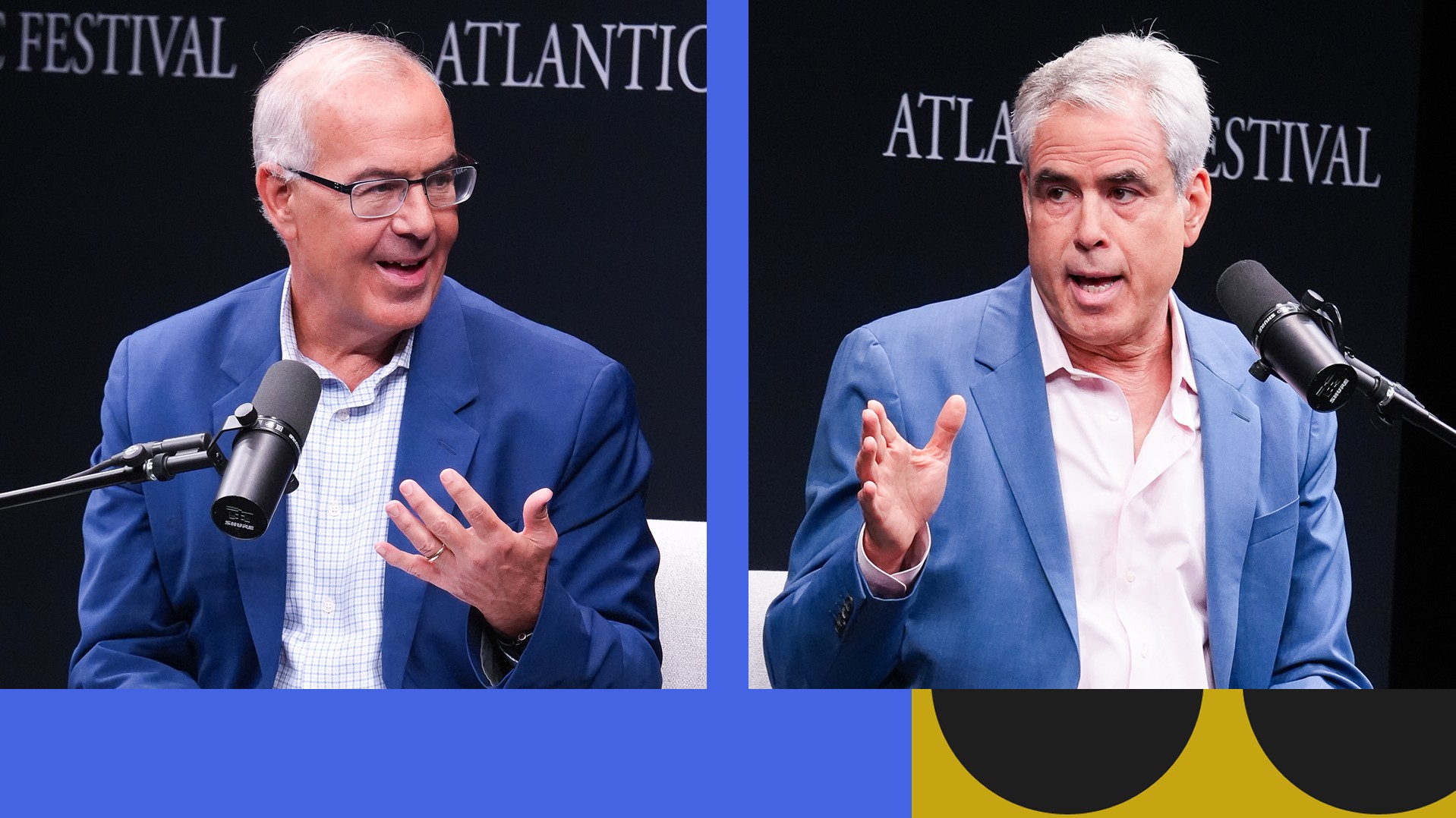
Sociologist Jonathan Haidt has voiced significant concerns regarding the potential negative impacts of artificial intelligence (AI) on children, drawing parallels to the established dangers of smartphone use in schools. Haidt, a professor at New York University's Stern School of Business, believes that the advent of advanced AI technologies poses an even greater threat to the development and well-being of young people than current smartphone issues. He articulated these views in a recent discussion, highlighting a perceived lack of adequate safeguards and understanding surrounding AI's integration into children's lives.
Haidt's apprehension stems from the rapid advancement and increasing accessibility of AI tools, which he fears could fundamentally alter cognitive development, social interaction, and emotional maturity in children. He points to the potential for AI to create addictive experiences, foster social isolation by replacing human interaction, and expose children to inappropriate or harmful content without sufficient parental or institutional oversight. The sociologist's warnings echo sentiments expressed by various child development experts and educators who are grappling with how to navigate the ethical and practical challenges presented by AI.
While the specific AI technologies Haidt is most concerned about were not detailed, his broad critique suggests a focus on generative AI, personalized AI tutors, and AI-driven entertainment platforms that could become deeply embedded in a child's daily routine. He implies that these systems, designed for engagement and efficiency, may inadvertently undermine the crucial developmental processes that occur through unstructured play, peer interaction, and direct human guidance. The comparison to smartphones in schools is particularly potent, as the negative effects of excessive screen time and social media on adolescent mental health have been well-documented, leading to widespread calls for regulation and parental intervention.
Haidt's call to action, though not explicitly detailed in the provided context, implies a need for proactive measures to protect children. This could involve advocating for stricter regulations on AI development and deployment targeting minors, promoting digital literacy and critical thinking skills among children and parents, and encouraging a more cautious and evidence-based approach to integrating AI into educational and social environments. His perspective adds a significant voice to the ongoing global debate about the societal implications of artificial intelligence, particularly concerning its impact on the most vulnerable populations.
Original source — read the full reporting at the publisher:
Read on The AtlanticGet the weekly AI digest
AI news + new model releases, weekly. Drafted by our agents, reviewed by humans.