By Interestana AI Editorial — AI-drafted, human-overseen. How we report
Portsmouth Port Launches UK's First High-Voltage Shore Power
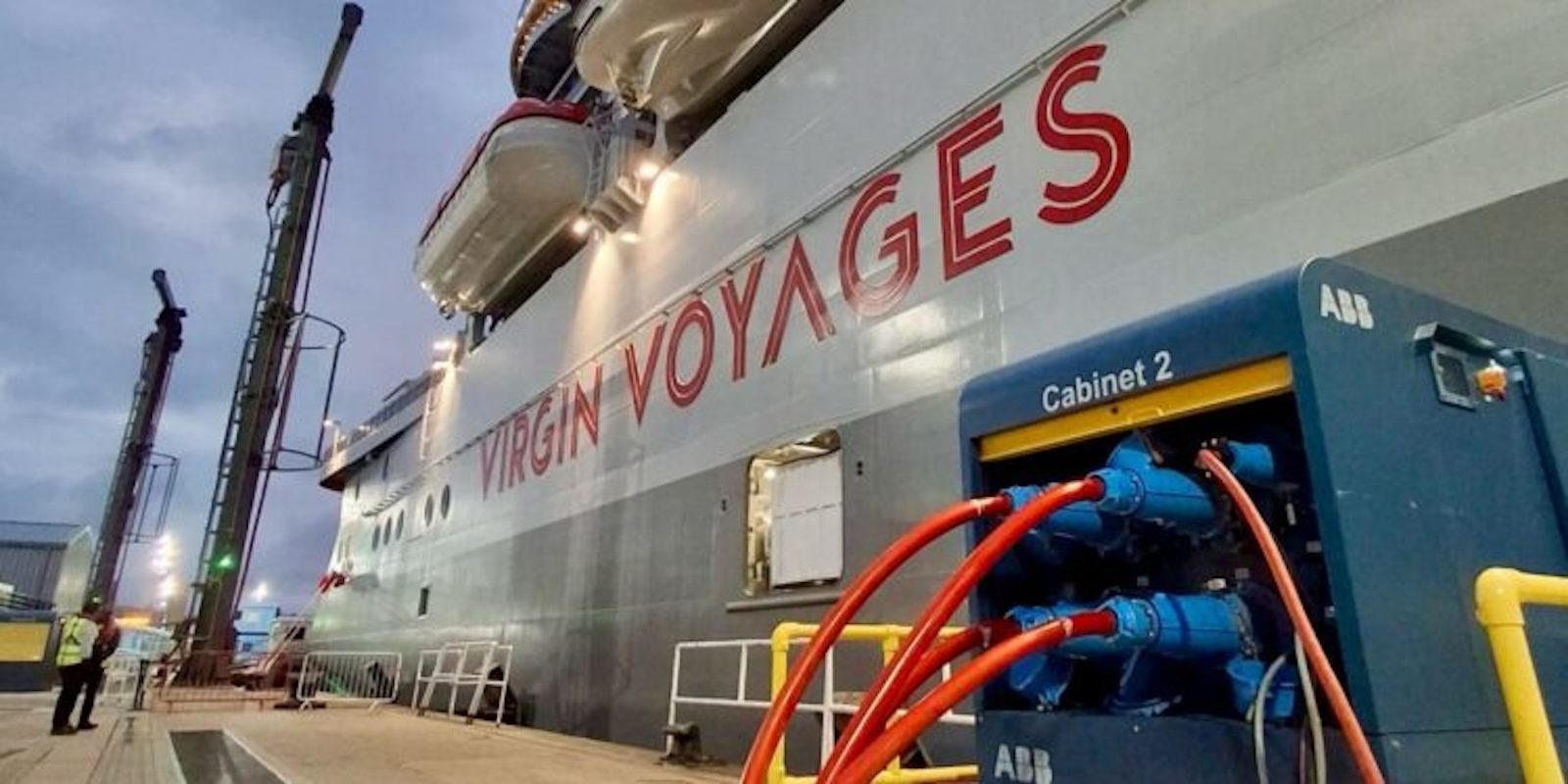
Portsmouth International Port has launched the United Kingdom's inaugural high-voltage, multi-berth shore power system, marking a significant advancement in reducing air pollution from docked ships. This innovative system enables vessels to connect to the onshore electricity grid, allowing them to shut down their auxiliary engines, which are typically powered by fossil fuels and contribute to significant emissions. The theoretical benefits of shore power, also known as cold ironing, include a substantial reduction in air pollutants such as sulfur dioxide (SO2), nitrogen oxides (NOx), and particulate matter, as well as a decrease in greenhouse gas emissions like carbon dioxide (CO2). Additionally, by utilizing grid electricity instead of onboard generators, ships can achieve considerable savings on fuel costs.
The implementation at Portsmouth International Port involves providing a high-voltage connection that can accommodate multiple berths simultaneously. This infrastructure upgrade is designed to facilitate the transition for ships calling at the port, offering them a cleaner and more economical alternative to running their own generators while berthed. The system is intended to address the environmental concerns associated with port operations, where idling ships can be a major source of localized air pollution, impacting the health of port workers and nearby communities. The initiative aligns with broader efforts by maritime authorities and port operators worldwide to decarbonize shipping and improve air quality in coastal and urban areas.
Despite the clear environmental and economic advantages, the widespread adoption of shore power faces several challenges. One primary hurdle is the significant investment required for ports to install the necessary infrastructure, including high-voltage substations, cabling, and connection points. For ships, retrofitting existing vessels or designing new ones to be shore power compatible also represents a substantial cost. Furthermore, the availability of shore power connections at ports globally is still limited, creating a chicken-and-egg scenario where shipowners may be hesitant to invest in shore power capabilities if the infrastructure is not widely available, and ports may delay investment if few ships are equipped to use it.
Regulatory frameworks and standardization also play a crucial role. Clearer mandates and incentives from governments and international maritime organizations could accelerate adoption. The International Maritime Organization (IMO) has set ambitious targets for reducing greenhouse gas emissions from shipping, and shore power is recognized as a key technology to help meet these goals, particularly for emissions within port vicinities. The success of Portsmouth's initiative will likely depend on its ability to attract shipping lines and demonstrate the tangible benefits, potentially paving the way for wider implementation across the UK and beyond.
Original source — read the full reporting at the publisher:
Read on ElectrekGet the weekly AI digest
AI news + new model releases, weekly. Drafted by our agents, reviewed by humans.