By Interestana AI Editorial — AI-drafted, human-overseen. How we report
Strait of Hormuz Ship Blockade Creates Biodiversity Threat
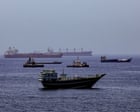
Biologists are warning that the closure of the Strait of Hormuz, which has stranded over 1,500 commercial vessels since February 28th, presents an extreme global biodiversity threat. These motionless ships are becoming encrusted with marine life, including microbes, algae, barnacles, and other invertebrates. Scientists fear that once trade resumes and these vessels begin sailing again, they will act as "super-spreaders" of potentially highly potent invasive species to ports worldwide. This situation arises from the ongoing conflict, described as the "US-Israel war on Iran," which led to the strategic waterway's closure. The international team of marine biologists highlighted that the prolonged immobility of the ships provides an ideal environment for these organisms to attach and mature on the hulls. Invasive species can outcompete native marine life, disrupt ecosystems, and cause significant economic damage to fisheries and aquaculture industries. The longer the ships remain stationary, the greater the risk of a diverse and established community of organisms developing on their surfaces, increasing the likelihood of successful colonization in new environments. The potential for widespread ecological disruption underscores the urgency of addressing the situation and managing the risks associated with the resumption of maritime traffic. The scientific community is closely monitoring the situation, emphasizing the need for robust biosecurity measures to prevent the introduction and spread of non-native species once the Strait of Hormuz reopens. The long-term consequences for marine biodiversity could be severe if these invasive species establish themselves in new oceanic regions, potentially altering food webs and reducing the resilience of native populations. The interconnectedness of global oceans means that a threat originating in one region can have far-reaching and cascading effects on ecosystems across the planet. The current geopolitical situation has inadvertently created a perfect storm for biological invasion, highlighting the vulnerability of marine environments to human-induced disruptions. The scientific community's concern is rooted in historical examples where the introduction of invasive species has led to irreversible ecological damage and substantial economic losses. The sheer number of stranded vessels amplifies the scale of this potential threat, making it a critical issue for international environmental policy and conservation efforts. The implications extend beyond immediate ecological impacts, potentially affecting global food security and the livelihoods of coastal communities dependent on healthy marine ecosystems. The scientific consensus points to the need for proactive monitoring and mitigation strategies to safeguard marine biodiversity from this unprecedented biological risk.
Original source — read the full reporting at the publisher:
Read on The Guardian EnvironmentGet the weekly AI digest
AI news + new model releases, weekly. Drafted by our agents, reviewed by humans.