By Interestana AI Editorial — AI-drafted, human-overseen. How we report
Shipowners Weigh Hormuz Transit Amid US-Iran Deal Collapse
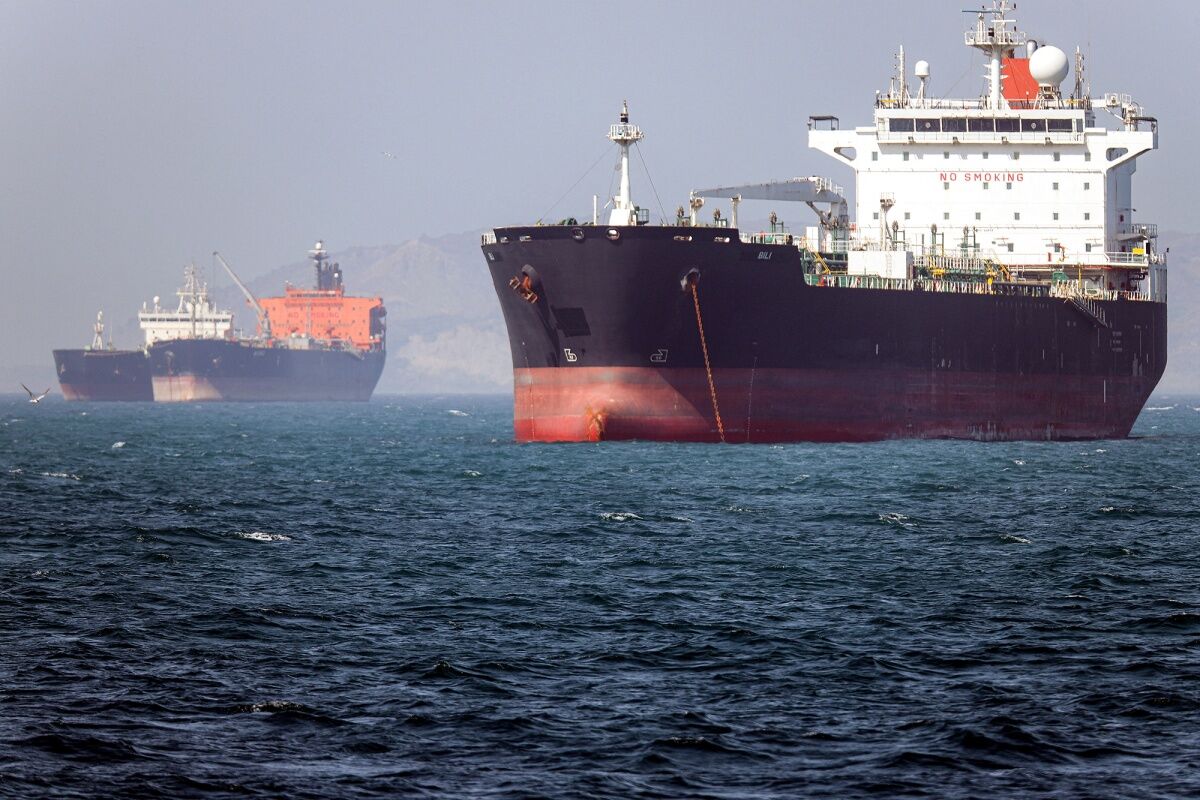
Shipowners are currently evaluating the risks associated with transiting the Strait of Hormuz following President Donald Trump's announcement that the US ceasefire with Iran has concluded. The declaration, made on an unspecified date, has introduced uncertainty into maritime operations in the critical waterway. Industry stakeholders are reportedly assessing potential threats and the viability of continuing passage through the strait, which is a vital chokepoint for global oil shipments. The specific concerns revolve around potential escalations in regional tensions and their direct impact on commercial shipping safety and insurance premiums. Details regarding the exact nature of the shipowners' deliberations and any immediate changes to transit plans remain undisclosed. However, the situation highlights the delicate geopolitical balance affecting international trade routes. The Strait of Hormuz, a narrow passage between the Persian Gulf and the Gulf of Oman, handles approximately 30% of the world's seaborne oil trade. Any disruption in this region could have significant global economic repercussions, including potential spikes in oil prices and supply chain disruptions. The decision-making process for shipowners involves complex risk assessments, considering factors such as naval presence, potential for hostile actions, and the availability of adequate security measures. The ongoing geopolitical climate in the Middle East continues to be a significant factor influencing maritime security and commercial shipping operations in this strategically important region. Further updates are expected as shipowners finalize their assessments and communicate any operational adjustments.
Original source — read the full reporting at the publisher:
Read on Bloomberg MarketsGet the weekly AI digest
AI news + new model releases, weekly. Drafted by our agents, reviewed by humans.