By Interestana AI Editorial — AI-drafted, human-overseen. How we report
Shein's Hong Kong IPO Falters Amid Valuation Drop and Mounting Controversies
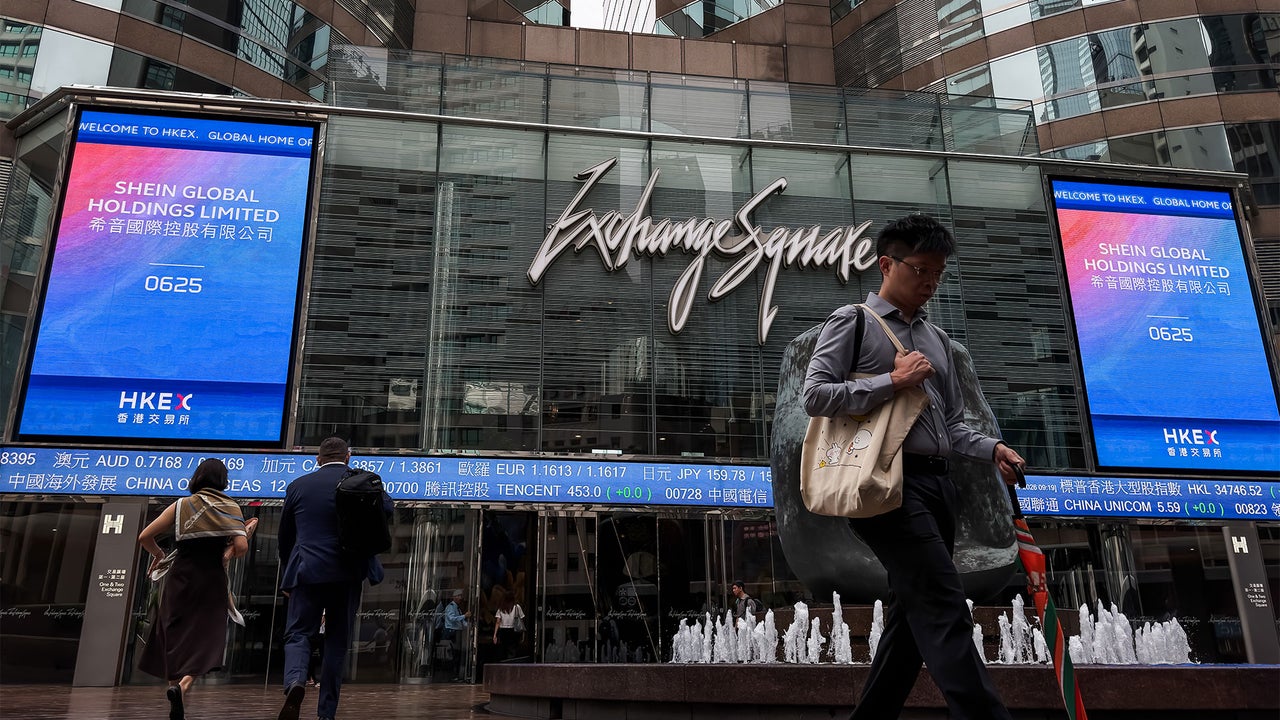
Shein Global Holdings, the Chinese-founded fast-fashion behemoth, has finally made its long-anticipated stock market debut on the Hong Kong Stock Exchange (HKSE) under the ticker 0625.HK. The IPO, which took place on Tuesday, September 1, 2024, saw shares priced at HK $48.56 (approximately $6.19 USD). However, the market's reception was lukewarm, with the stock experiencing an initial dip of over 9% before a partial recovery to around HK $48.50. This debut follows a series of aborted attempts by Shein to list its shares in other major financial centers, including New York and London, signaling a challenging path to public markets.
The current IPO valuation of $26.5 billion stands in stark contrast to Shein's peak market perception. In 2022, the company was reportedly valued at an astronomical $100 billion. This dramatic decline is attributed, in part, to a shift in consumer sentiment and market conditions since the pandemic-fueled surge in demand for Shein's ultra-affordable clothing, often priced at single-digit dollar amounts. The company's value has effectively shrunk by one-fourth from its zenith. Adding to these concerns, Shein reported a net loss of $99 million in its first quarter, underscoring the financial headwinds it faces.
Several significant factors have contributed to Shein's diminished market standing and the subdued IPO performance. Persistent and credible reports of forced labor and human rights violations within its supply chain have cast a long shadow over the brand. While Shein has largely maintained a reticent stance, offering vague assurances of internal changes and regulatory compliance, these allegations have undeniably impacted its public image and consumer trust. The European Union has also taken a more active role, launching an investigation into Shein in February. Concerns raised by the EU include the potential addictiveness of its platform for young users and the sale of illegal goods, such as "child-like sex dolls," highlighting regulatory and ethical challenges.
Furthermore, Shein has cited new tariffs implemented in the United States and Europe as a contributing factor to its financial losses. A particularly impactful change was the United States' decision last August to end the de minimis exemption. This exemption had previously allowed goods valued below $800 to enter the country duty-free, a policy that likely facilitated Shein's low-cost import model. As Shein embarks on its journey as a publicly traded entity, its future stock performance will be closely watched, with its ability to navigate these complex competitive, ethical, and regulatory landscapes being paramount.
Original source — read the full reporting at the publisher:
Read on Fast CompanyGet the weekly AI digest
AI news + new model releases, weekly. Drafted by our agents, reviewed by humans.