By Interestana AI Editorial — AI-drafted, human-overseen. How we report
Shared Charging Crucial for Electric Trucking Growth
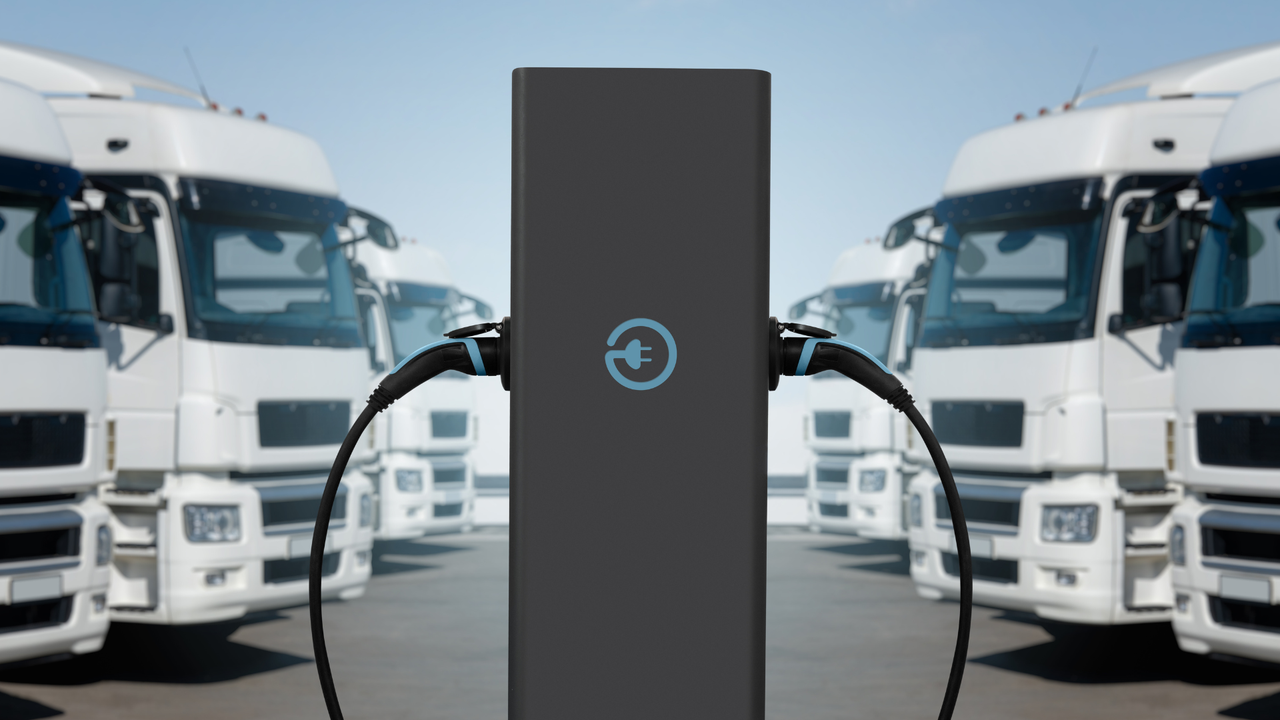
The success of electric trucking hinges on the development and adoption of shared charging infrastructure, moving beyond the limitations of depot-only charging models. Companies across all sectors are increasingly exposed to transportation volatility, making reliable, cost-predictable, and lower-emission logistics a critical concern. While diesel prices remain volatile, electricity prices offer greater predictability for freight budgeting and margin protection.
Electric trucking economics are projected to improve significantly, with costs expected to decrease from approximately $425,000 in 2024 to around $300,000 by 2028 and below $230,000 by 2035. These reductions are attributed to falling battery costs and increased vehicle standardization. State-level rebates, such as those in California, can further bridge the cost gap between electric and diesel trucks.
The primary challenge for commercial fleet electrification is the charging infrastructure. Current discussions often present a binary choice between depot charging and public charging. Depot charging offers control over schedules, with trucks charging overnight at a known location. However, this approach can restrict the pace of electrification.
A more flexible and scalable model for electric trucking requires a combination of depot charging and shared infrastructure, mirroring the diverse fueling strategies of diesel fleets. Diesel trucks utilize a network of private yards, truck stops, ports, and distribution centers. Electric trucking will need a similar multi-faceted approach to charging to achieve widespread adoption and operational efficiency.
Original source — read the full reporting at the publisher:
Read on Fast CompanyGet the weekly AI digest
AI news + new model releases, weekly. Drafted by our agents, reviewed by humans.