By Interestana AI Editorial — AI-drafted, human-overseen. How we report
Seven Suspected Bird Flu Cases in SA Wildlife
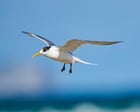
South Australia has reported seven new suspected cases of the deadly H5 bird flu, with experts expressing concern that these findings may indicate the disease is beginning to spread through local bird populations. All seven affected birds were identified as greater crested terns, a species commonly found in the region. These terns were discovered across the Limestone Coast in the south-eastern part of South Australia. Specifically, one bird was found at Cape Jaffa, five were located around Southend Jetty near Beachport, and another was found at Port MacDonald. The Port MacDonald discovery is particularly noteworthy as it is situated just over 20 kilometers from the border with Victoria, suggesting a potential for wider geographical dissemination.
BirdLife Australia has stated that these discoveries are evidence of the outbreak "taking hold" within the Australian wildlife. The organization's assessment highlights the potential for the virus to establish a foothold in native species, moving beyond its initial introduction. The greater crested tern (Thalasseus bergii) is a medium-large seabird found along the coasts of the Indian and Pacific Oceans, including Australia. Its presence in multiple locations within South Australia, and proximity to other states, amplifies the concern for a broader ecological impact.
The H5 strain of avian influenza, commonly known as bird flu, is a highly contagious disease that can affect various avian species, including domestic poultry and wild birds. While often associated with outbreaks in commercial poultry farms, its transmission into wild bird populations poses a significant challenge for containment and monitoring. The implications of such a spread extend beyond the immediate health of the birds, potentially impacting ecosystems and raising biosecurity concerns. The specific details of how the virus was introduced to these wild terns remain under investigation, but migratory bird movements are often a key factor in the spread of avian influenza.
Authorities are closely monitoring the situation to assess the extent of the spread and to implement appropriate biosecurity measures. The identification of these suspected cases in wild seabirds underscores the dynamic nature of infectious disease outbreaks and the importance of ongoing surveillance in both domestic and wild animal populations. Further testing will be conducted to confirm the presence of the H5 strain in these birds and to understand its genetic lineage, which can provide clues about its origin and transmission pathways. The proximity to the Victorian border also necessitates close collaboration between South Australian and Victorian wildlife and biosecurity agencies to manage any potential cross-border spread.
Original source — read the full reporting at the publisher:
Read on The Guardian WorldGet the weekly AI digest
AI news + new model releases, weekly. Drafted by our agents, reviewed by humans.