By Interestana AI Editorial — AI-drafted, human-overseen. How we report
Serbia's President Vučić Resigns to Seek Prime Minister Role
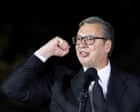
Serbia's populist president, Aleksandar Vučić, has resigned from his presidential post to pursue a bid for prime minister in an early parliamentary election scheduled for October 25. This move comes as Vučić's second presidential term was set to conclude in May of the following year, and the Serbian constitution prohibits him from seeking a third term. Vučić announced his decision to lead his rightwing Serbian Progressive party (SNS) in the upcoming ballot, which is anticipated to be a significant test of his enduring influence over the Balkan nation. The resignation follows nearly two years of widespread protests that have challenged his firm grip on power.
The constitutional limitation on presidential terms directly influenced Vučić's strategic decision to transition to the role of prime minister. By stepping down as president, he frees himself to lead the SNS in the parliamentary elections, aiming to consolidate his political authority through a different executive position. The Serbian Progressive party, which Vučić has led, has been a dominant force in Serbian politics for years, and this election will gauge the party's continued electoral strength and Vučić's personal popularity among the electorate.
The widespread protests that have characterized the past two years in Serbia have often centered on allegations of authoritarianism and electoral irregularities under Vučić's leadership. These demonstrations, involving various opposition groups and civil society organizations, have highlighted public discontent and calls for greater democratic freedoms and transparency. The upcoming election, therefore, represents a critical juncture for Serbia's political landscape, with the outcome likely to shape the country's domestic policies and its international relations.
Vučić's political career has been marked by a populist appeal and a strong nationalistic stance, which has resonated with a significant portion of the Serbian population. His supporters often credit him with stabilizing the country and pursuing economic reforms, while critics point to a perceived erosion of democratic institutions and media freedom. The transition from president to a potential prime ministership signifies a strategic maneuver to maintain his central role in Serbian governance, leveraging his party's organizational strength and his established public profile to navigate the current political challenges and the constitutional constraints on his presidential ambitions.
Original source — read the full reporting at the publisher:
Read on The Guardian WorldGet the weekly AI digest
AI news + new model releases, weekly. Drafted by our agents, reviewed by humans.