By Interestana AI Editorial — AI-drafted, human-overseen. How we report
2027 SEO Priorities: Navigating AI Overviews and Zero-Click Searches
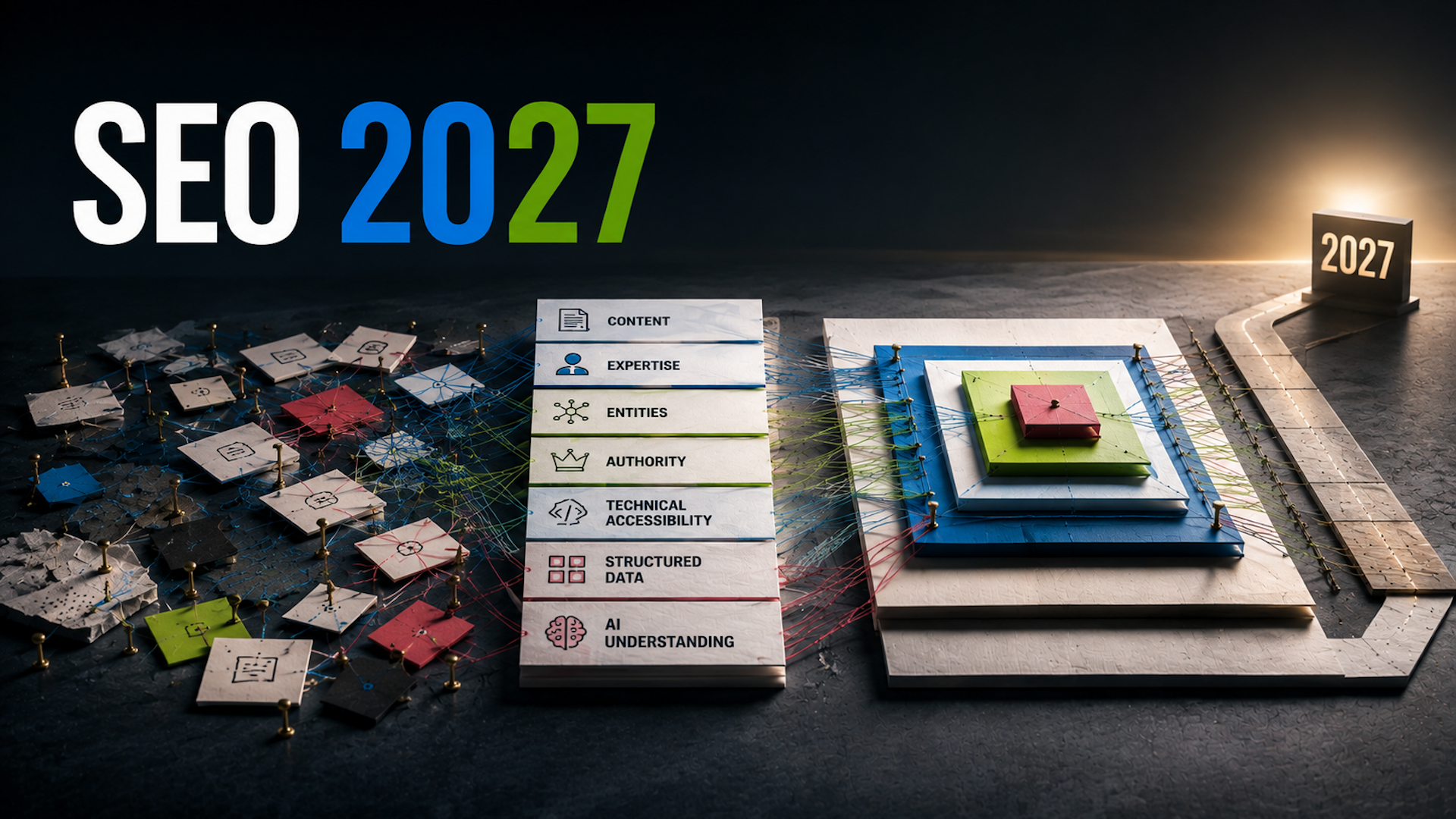
Search engine optimization (SEO) strategies for 2027 must evolve to address the increasing dominance of AI-powered search interfaces and the rise of zero-click searches, which significantly alter how users discover and interact with online content. Google's AI Mode surpassed 1 billion monthly users within its first year, and its AI Overviews now reach over 2.5 billion users monthly, according to Google's I/O 2026 announcement. This shift means that even pages ranking highly in organic search results may be overshadowed by AI-generated answers presented at the top of the search results page. Furthermore, platforms like ChatGPT, Perplexity, and other generative AI tools are increasingly handling complex research, comparison shopping, and even purchasing decisions, often bypassing traditional search engine queries altogether. A SparkToro study in 2026, utilizing Similarweb clickstream data, indicated that zero-click searches accounted for 68% of U.S. Google searches and are on an upward trend, exacerbating the visibility challenges for SEO professionals. The implications for SEO are profound, requiring a strategic pivot towards optimizing for brand presence within large language models (LLMs) and understanding how to measure engagement and referral traffic from these new AI-driven discovery channels. The competitive landscape is further complicated by the integration of advertising within AI search experiences. Google introduced Gemini-powered ad formats, Conversational Discovery ads, and Highlighted Answers at Google Marketing Live 2026. These formats aim to place sponsored content directly within AI Mode responses, currently undergoing U.S. testing. SEO practitioners and their paid media counterparts are advised to monitor these developments closely, as the "answer layer" of search is becoming a monetized surface. The impact of AI on e-commerce traffic and conversion is already evident. Adobe Digital Insights reported that traffic to U.S. retail sites from generative AI tools surged by 693% year over year during the 2025 holiday season. Crucially, AI-referred visitors demonstrated a 31% higher conversion rate compared to other traffic sources. While this data specifically pertains to U.S. retail during the holiday period, it provides a clear directional signal: traffic originating from AI tools is not only increasing but is also proving to be highly valuable in terms of conversion. This underscores the necessity for SEO strategies to encompass not just traditional search engine ranking factors but also the optimization for AI-driven discovery and the measurement of AI-generated referral traffic. The evolving search ecosystem demands a proactive approach, focusing on ensuring brand visibility and engagement across a fragmented digital landscape where traditional search engines are no longer the sole gateway to online information. This includes optimizing content for direct answers within AI interfaces, understanding the user journey across multiple AI platforms, and adapting measurement frameworks to capture the full spectrum of AI-influenced traffic and conversions. The future of SEO lies in embracing these AI-driven shifts and developing strategies that ensure discoverability and impact in an increasingly intelligent and automated search environment.
Original source — read the full reporting at the publisher:
Read on Search Engine LandGet the weekly AI digest
AI news + new model releases, weekly. Drafted by our agents, reviewed by humans.