By Interestana AI Editorial — AI-drafted, human-overseen. How we report
SaaS SEO Strategy Adapts to AI Search and Long Sales Cycles
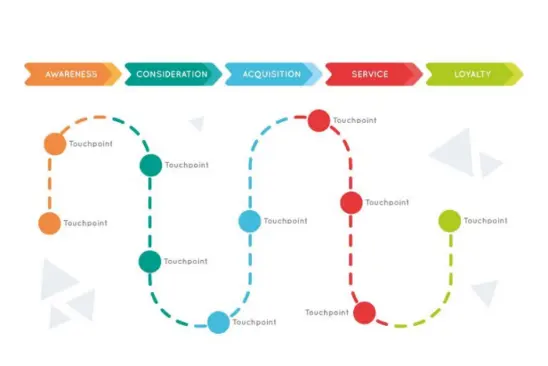
Software-as-a-service (SaaS) companies require a specialized search engine optimization (SEO) strategy that accounts for lengthy sales cycles and intense global competition. A core tenet of effective SaaS SEO involves meticulously mapping content to each stage of the buyer journey. This means creating awareness-stage blog posts designed to attract initial interest, developing consideration-stage content such as whitepapers or webinars, and producing decision-stage assets like case studies and direct comparison pages that help potential customers finalize their choices. The landscape of software research has been significantly altered by the rise of AI search, with recent data indicating that 51 percent of B2B software buyers now initiate their research process using an AI chatbot more frequently than traditional search engines like Google. This shift necessitates an optimization approach that prioritizes not only traditional search engine rankings but also the ability to be cited by AI search tools. Building authority is paramount for SaaS SEO success and is achieved through a multi-faceted approach encompassing technical SEO, the consistent creation of high-quality, informative content, robust digital public relations efforts, and cultivating a strong, positive presence on third-party review platforms such as G2 and Capterra. These platforms are crucial for social proof and influencing purchasing decisions. The benefits of investing in organic search for SaaS businesses are substantial, with recent data revealing that B2B SaaS companies experience a remarkable 702 percent return on investment (ROI) from their SEO initiatives. This high ROI is attributed to the ability of organic search to acquire users at scale and often at no direct cost per acquisition, with many users arriving with a clear intent to purchase. To achieve dominance in search engine results pages (SERPs) and effectively convert visitors into customers, a tailored SaaS SEO strategy is essential. Unlike local businesses or law firms, SaaS brands target a distinct market with a unique customer journey, demanding an SEO approach that reflects these specific characteristics. The fundamental activities of SaaS SEO mirror general SEO practices, including keyword research, content creation, on-page optimization, and link building. However, the execution and strategic focus for each of these areas must be adapted to the SaaS context. For instance, keyword research might focus on long-tail keywords indicating purchase intent or problem-solving needs specific to software solutions. Content creation must address complex technical features and business benefits, while on-page SEO ensures that product pages and feature descriptions are highly discoverable. Link building efforts should aim to secure backlinks from reputable industry publications and complementary technology partners. The overarching goal is to ensure that a SaaS company's website is not only visible when potential customers are searching for solutions but also persuasive enough to guide them through the often complex decision-making process toward conversion.
Original source — read the full reporting at the publisher:
Read on Neil PatelGet the weekly AI digest
AI news + new model releases, weekly. Drafted by our agents, reviewed by humans.