By Interestana AI Editorial — AI-drafted, human-overseen. How we report
SEO and PPC Silos Hamper Search Strategy, Wasting Budget and Missing Opportunities
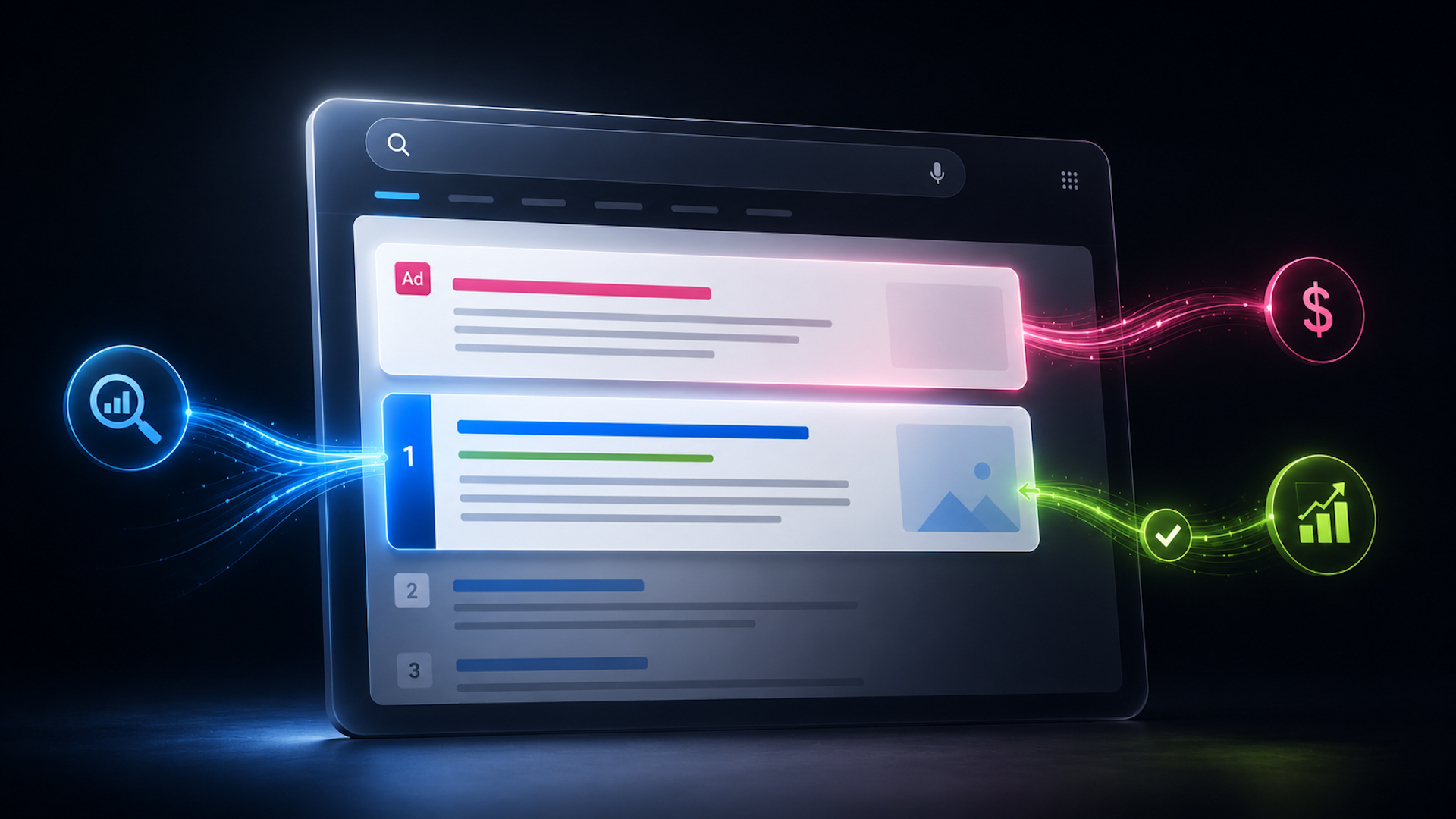
The independent operation of Search Engine Optimization (SEO) and Pay-Per-Click (PPC) teams, while seemingly logical due to their distinct skill sets, tools, and performance metrics, frequently results in a significant disconnect. This separation means businesses possess two channel strategies rather than a cohesive, overarching search strategy, a distinction that often leads to budget wastage and the overlooking of crucial opportunities. SEO, the practice of improving a website's visibility in organic search engine results pages (SERPs), typically involves activities like keyword research, content creation, and link building, with success measured by rankings and organic traffic volume. Conversely, PPC, a form of digital advertising where advertisers pay a fee each time one of their ads is clicked, focuses on managing bids, ad copy, landing page optimization, and budget allocation, with key performance indicators including Cost Per Click (CPC), conversion rates, and Return on Ad Spend (ROAS).
In many organizational structures, these functions are housed in separate departments, sometimes even managed by different agencies or overseen by distinct budget holders. This departmentalization, while understandable given the specialized nature of each discipline, becomes detrimental when it fosters a default state of isolation, preventing a holistic view of search performance. The very metrics used to evaluate these teams reinforce these silos. SEO teams are typically judged on their ability to improve organic rankings and drive organic traffic, while PPC teams are accountable for the efficiency and profitability of their paid campaigns. This performance-based separation means neither team is inherently incentivized to consider or collaborate with the other, leaving critical gaps in the overall search strategy unaddressed unless a deliberate effort is made to foster cross-channel visibility and collaboration.
Beyond structural and measurement challenges, a lack of inter-channel knowledge further exacerbates the problem. Team members may not possess a deep enough understanding of the other channel's intricacies to ask the right questions or identify potential synergistic opportunities. For instance, an SEO team might not realize that a particular keyword is heavily bid upon by competitors in PPC, or a PPC team might not be aware that a specific page is already ranking well organically for a target term. Furthermore, a reluctance to share data can emerge from a fear that such transparency might lead to budget reallocation away from their own channel. While this concern is understandable, it ultimately incurs costs for the business. The most direct financial inefficiency arises when a business inadvertently pays for clicks on keywords for which its website already achieves strong organic rankings. Without an integrated approach, the potential for optimizing the entire customer journey, from initial search discovery through to conversion, is significantly diminished, leaving valuable insights and budget unutilized. This lack of integration prevents businesses from fully leveraging the combined power of organic and paid search to achieve their overarching marketing objectives.
Original source — read the full reporting at the publisher:
Read on Search Engine LandGet the weekly AI digest
AI news + new model releases, weekly. Drafted by our agents, reviewed by humans.