By Interestana AI Editorial — AI-drafted, human-overseen. How we report
St Basil's Managers Testify on COVID-19 Deaths
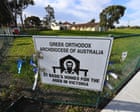
Konstantin Kontis and Vicky Kos, the most senior managers at St Basil's aged care home, were compelled to testify at a coronial inquest resuming on August 8, 2026, the sixth anniversary of the COVID-19 outbreak that resulted in the deaths of 50 residents. Throughout July and August 2020, nearly a quarter of the 188 residents at the Victorian facility died from COVID-19 or neglect, a period marked by significant loss and ongoing legal proceedings. The inquest aims to provide answers for grieving families who have long sought accountability and understanding regarding the circumstances that led to the high mortality rate. Despite multiple legal attempts to avoid giving evidence, Kontis and Kos appeared in Melbourne's coroner's court, where their testimonies were met with quiet sobs from attending families. The proceedings are crucial for families seeking closure and for understanding the systemic failures that may have contributed to the tragedy. The coronial inquest is expected to delve into the management practices, response protocols, and decision-making processes during the initial COVID-19 outbreak at the facility. The St Basil's aged care home is a facility located in Victoria, Australia, that came under intense scrutiny following the devastating COVID-19 outbreak in 2020. The facility housed 188 residents, and the virus spread rapidly, leading to a significant number of deaths. The subsequent coronial inquest is a judicial inquiry to investigate the causes and circumstances of deaths, particularly those occurring in institutional settings or under unusual circumstances. This inquest is intended to determine whether the deaths were preventable and to identify any contributing factors, including potential negligence or systemic issues within the aged care sector. The testimony of senior managers like Kontis and Kos is central to understanding the operational realities and decision-making during the crisis. The families of the deceased residents have been advocating for transparency and justice, and this inquest represents a significant step in that process. The fact that the inquest is resuming on the sixth anniversary of the tragedy underscores the prolonged period of waiting and emotional distress experienced by the families. The court's proceedings are being closely watched by those affected and by the broader community concerned with the welfare and safety of residents in aged care facilities. The inquest's findings could have implications for aged care regulations and practices across Australia, aiming to prevent similar tragedies in the future. The managers' inability to fully recall events, as suggested by the headline, highlights potential issues with memory, documentation, or the overwhelming nature of the crisis, all of which are critical areas for the inquest to explore. The emotional weight of the proceedings is palpable, with quiet sobs indicating the deep grief and enduring impact of the events on the families involved. The inquest's continuation signifies a commitment to uncovering the truth, however difficult, and providing a platform for the voices of those who lost loved ones.
Original source — read the full reporting at the publisher:
Read on The Guardian WorldGet the weekly AI digest
AI news + new model releases, weekly. Drafted by our agents, reviewed by humans.