By Interestana AI Editorial — AI-drafted, human-overseen. How we report
Senegal's Hidden Debt Scandal Undermines Infrastructure Projects
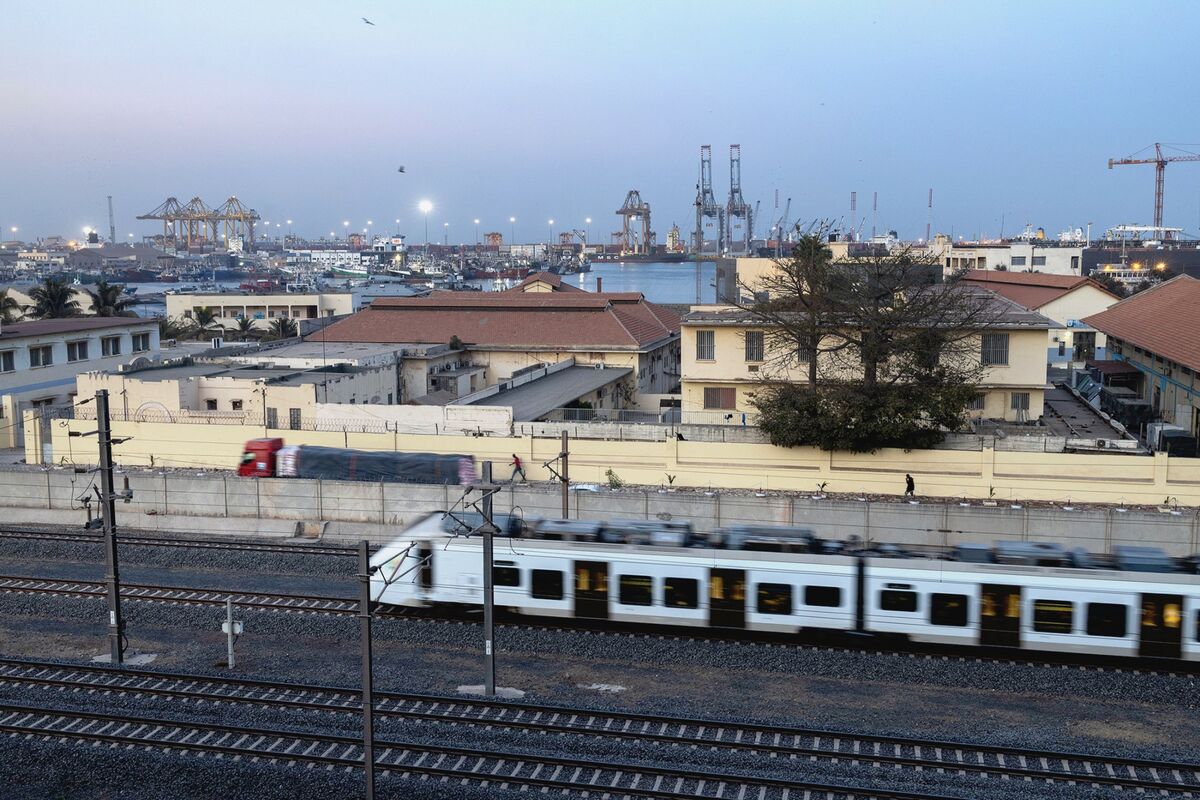
Senegal's ambitious infrastructure development plans are facing significant setbacks due to a burgeoning hidden debt scandal. The unfinished railway project, intended to be a cornerstone of the nation's modernization efforts, now stands as a stark symbol of the country's escalating fiscal strains. This situation has cast a shadow over the economic outlook and raised concerns about the sustainability of public finances.
The revelation of undisclosed borrowing has led to a reassessment of Senegal's financial commitments, impacting its ability to fund ongoing and future projects. The scale of the hidden debt suggests a lack of transparency in financial management, prompting questions about accountability and oversight within the government. International financial institutions and credit rating agencies are closely monitoring the developments, which could affect Senegal's access to capital markets and its overall creditworthiness.
The economic consequences of this scandal are multifaceted. Beyond the stalled infrastructure, the government may face pressure to implement austerity measures or seek emergency financial assistance. This could divert resources from essential public services and hinder poverty reduction efforts. The perception of financial instability may also deter foreign direct investment, further complicating the path to economic recovery and growth. The government's response and its ability to address the debt crisis will be critical in restoring confidence and salvaging its development agenda.
Original source — read the full reporting at the publisher:
Read on Bloomberg MarketsGet the weekly AI digest
AI news + new model releases, weekly. Drafted by our agents, reviewed by humans.